Harbin Engineering University Feature: Chen Xiaobo of Seahi Robotics — 19 Years of Dedication Driving China's Robotics into the Deep Blue
Editor's Note:
From the ice-bound city of Harbin in the north to the vast national coastline, and from the research frontlines of "Three Oceans and One Nuclear" to the battlegrounds of major national technological breakthroughs, alumni of Harbin Engineering University (HEU) have kept the university motto—"Extreme Skill Attains Perfection, Supreme Knowledge Seeks Truth"—firmly in mind, writing extraordinary chapters on China's journey toward national strength. Currently, HEU is advancing its strategic initiative: the "Alumni Mutual Empowerment and Breakthrough Year." To showcase the achievements of HEU alumni, this feature series focuses on outstanding graduates who have made significant contributions to China's maritime strength, nuclear industry development, and broader economic and social progress. By sharing their stories, building interactive platforms, and fostering mutual empowerment, HEU ensures that wherever there are alumni worldwide, there is mutual support and shared pride—connecting every HEU footprint across the globe in resonance and glory with their alma mater.
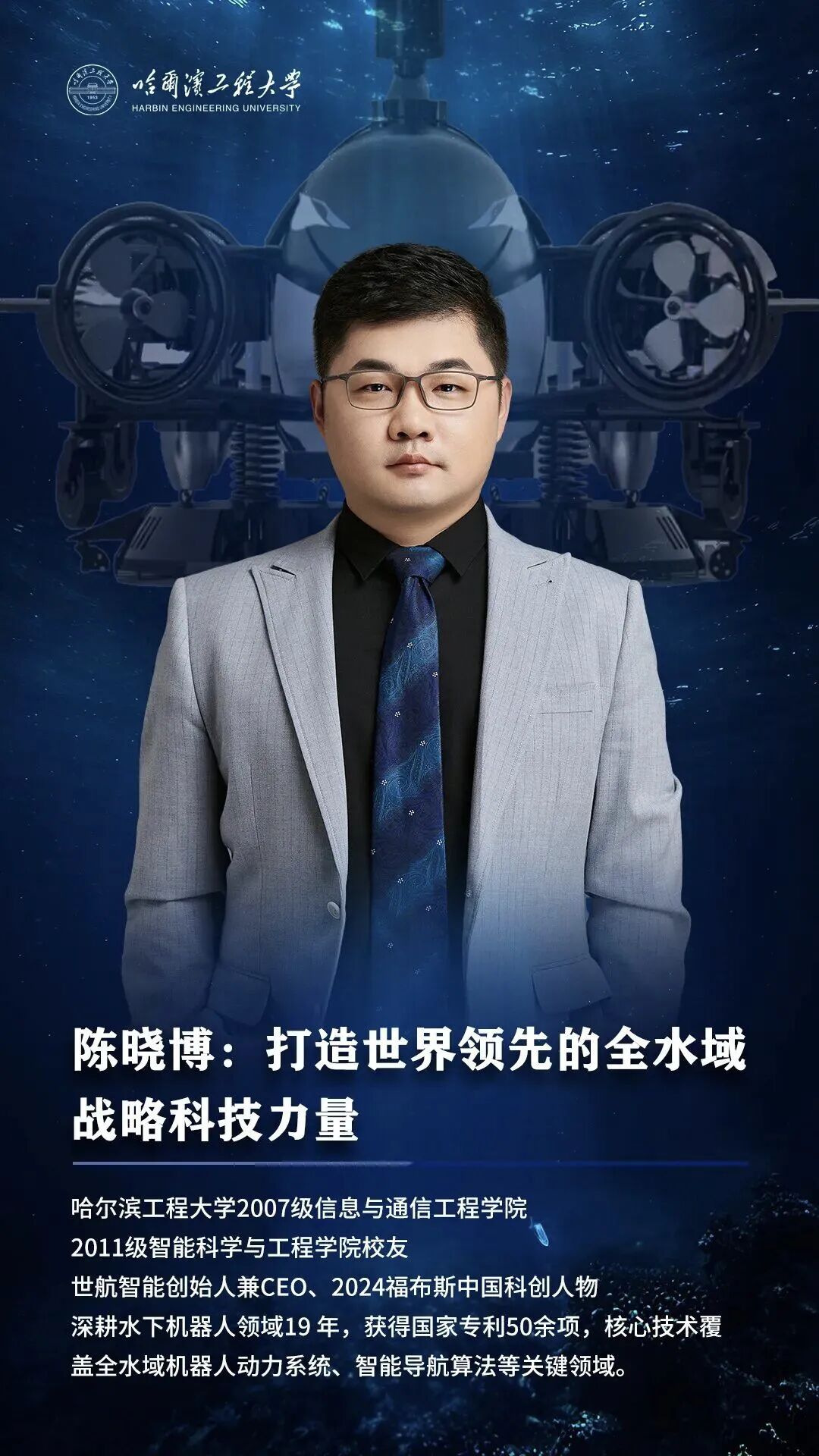
The company he founded, Seahi Robotics, stands as the world's only robotics enterprise possessing full-degree-of-freedom, general-purpose operational capabilities across full ocean depths from 0 to 10,000 meters. Since 2026, the company co-released China's first regulatory standard for underwater cleaning robots and led a project that won the First Prize of the Science and Technology Progress Award from the China Institute of Navigation. Today, we step into the story of Chen Xiaobo, a 2007 alumnus of Harbin Engineering University.
Starting from E-Way: Chasing the Dream of Underwater Robotics
In 2007, Chen Xiaobo was admitted to the College of Information and Communication Engineering at Harbin Engineering University. As a freshman, he joined HEU's E-Way Association, where he first came into contact with underwater robotics. From that moment on, he dedicated the majority of his time and energy to robotics research and competitions.
Spending virtually all his spare time in the E-Way laboratory, Chen developed into a true full-stack engineer. Masterful across every stage of robotics manufacturing—from structural design, fluid simulation, and CNC programming to hardware design, soldering and debugging, embedded programming, and top-level algorithms—he became capable of building complex marine robotic systems single-handedly from 0 to 1.
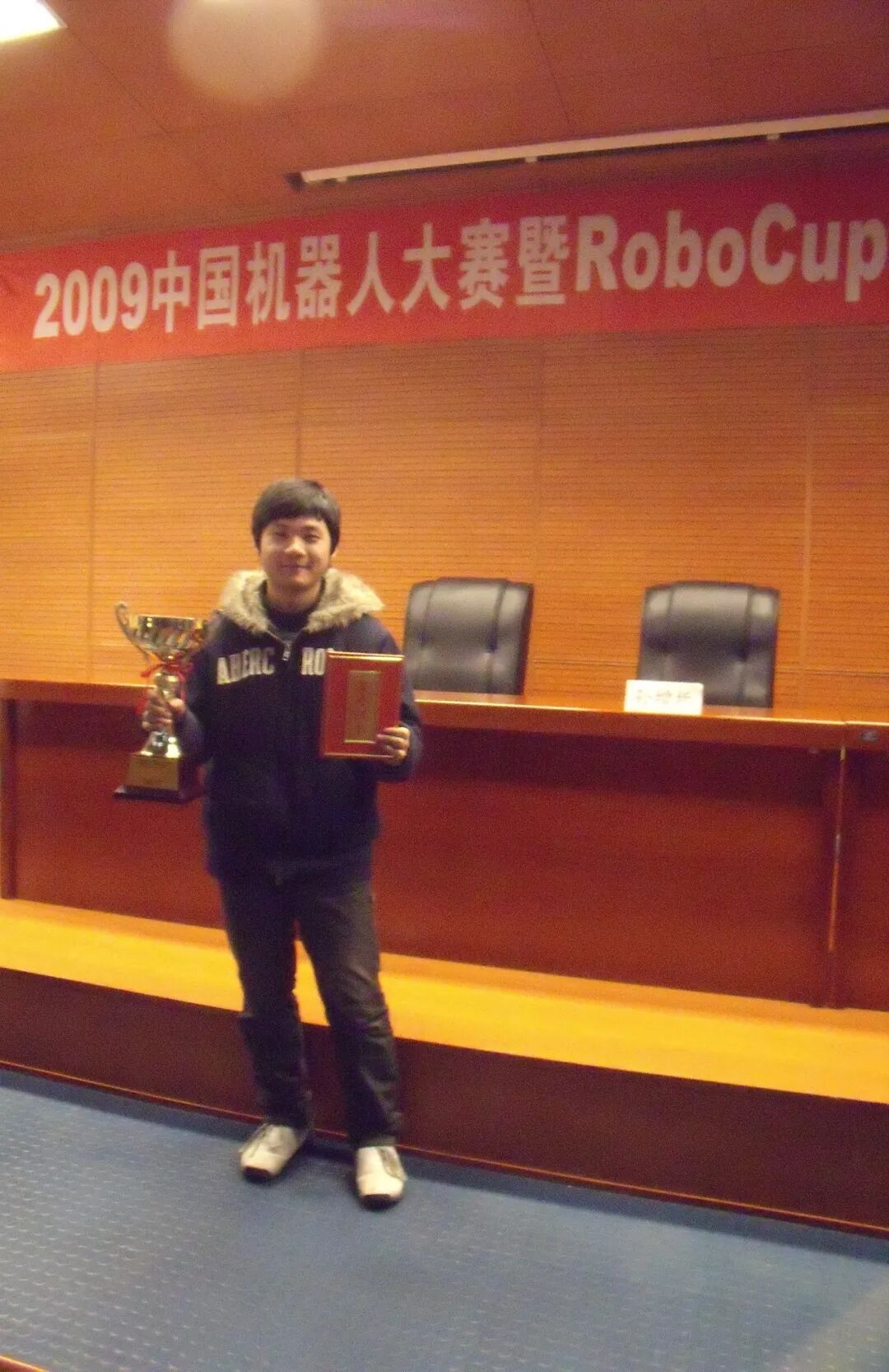
In 2008, Chen independently engineered China's first pool-cleaning robot, taking first place in the prestigious national "Challenge Cup" Competition. In 2009, he won dual championships in both the aerial and underwater robotics categories at the China Robotics Competition. During his direct Ph.D. program, majoring in Navigation, Guidance, and Control, Chen focused on how robots achieve complex navigation and control in underwater environments, leading several key national research projects along the way.
After winning the 2009 China Robotics Competition, Chen observed: "The overseas robotics supply chain is significantly more developed, whereas domestically, technology remained confined to academic projects and laboratory stages, without achieving true commercial productization." In 2014, Chen traveled to the University of Melbourne to conduct research on multi-agent systems, broadening his global vision while deepening his understanding of industry needs. His subsequent professional experience solidified a core belief: in the domain of water-operational robotics, no matter how advanced laboratory benchmarks may be, without large-scale industrial application and true industrial-grade design, technology can neither realize commercial value nor sustain ongoing R&D advancement.
50 Times the Efficiency of Manual Labor
In 2023, Chen Xiaobo founded Seahi Robotics. His goal was clear: to create super productivity across ocean depths from 0 to 10,000 meters, developing robots that can execute real, physical work in harsh marine environments. Targeting the underwater cleaning, maintenance, and repair operations for all mainstream vessel types ranging from 100 tons to over 300,000 tons, he decided to start with ship hull cleaning to overcome the technical bottlenecks of real-world ocean environments.
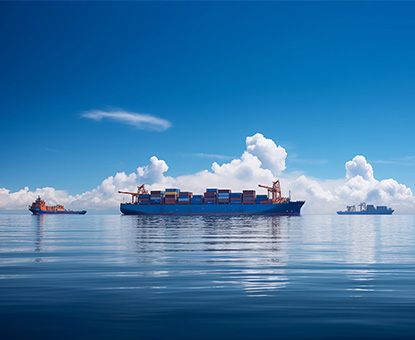
Ocean-going merchant ships typically operate on voyages lasting anywhere from a month to several months. Marine biofouling—such as barnacles and oysters attaching to the ship's sides and bottom—significantly increases hydrodynamic drag. For a large cargo vessel, failing to remove biofouling in a timely manner can result in millions of dollars in wasted fuel each year.
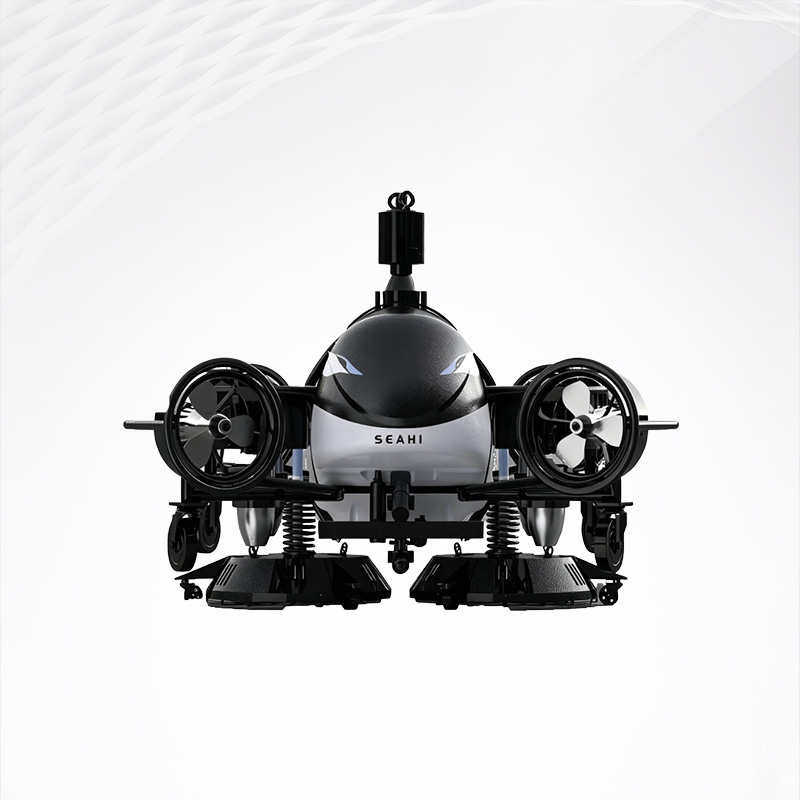
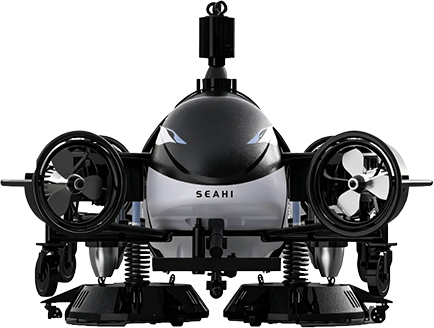
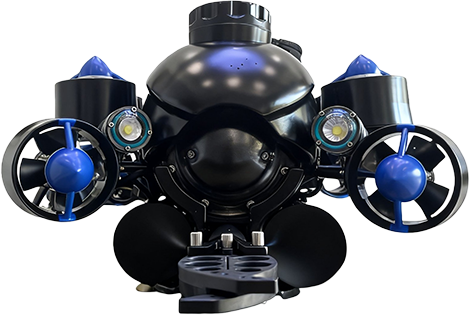
During a field test conducted with Fujian Shipping Group, Seahi's self-developed "Orca" robot delivered astounding results: when cleaning a cargo ship heavily covered in barnacles, the robot operated at 50 times the efficiency of manual divers. Work that previously required two full weeks was completed in just 10 hours.
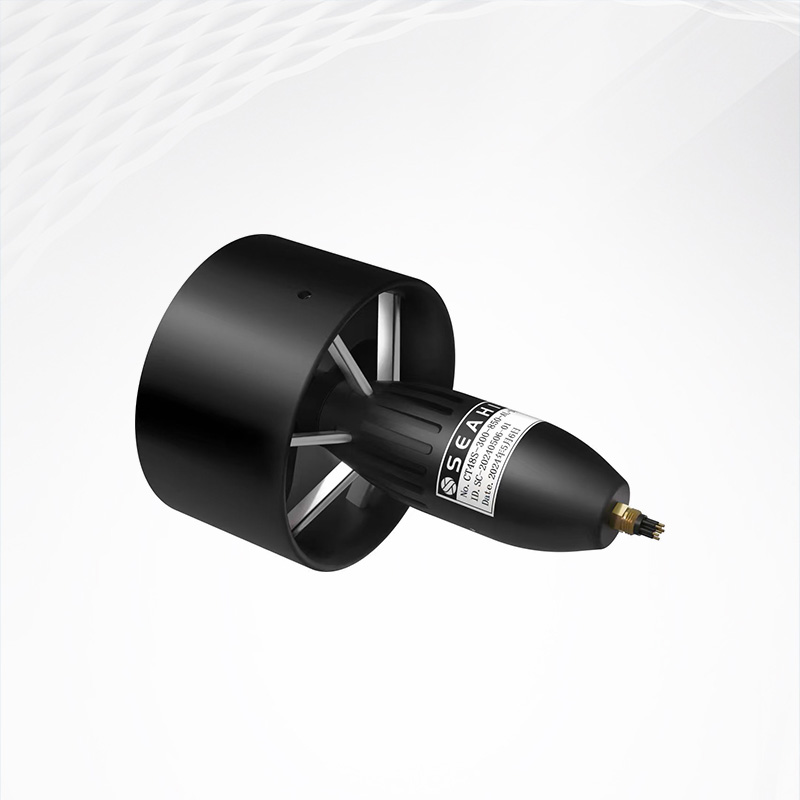
Seahi Robotics's technical moat lies in its six core proprietary systems: propulsion, control, sensing, navigation, waterproof sealing, and dynamic deployment & recovery. Take underwater thrusters—the "heart" of the robot—as an example. Standard academic-grade thrusters widely used in the industry typically have an operational lifespan of only 300 to 400 hours. For commercial applications, this is disastrous, requiring frequent and costly overhauls. Seahi's engineering team successfully extended the thruster lifespan to 10,000 hours.
In terms of current resistance, competing overseas products can typically operate only in mild port currents of around 1 knot. Seahi's robots, by contrast, can remain firmly attached to ship hulls in currents exceeding 3 knots. This means vessels can be serviced at open anchorages without needing to queue for 1 to 2 days to enter ports, saving shipowners both valuable time and expensive berth fees.
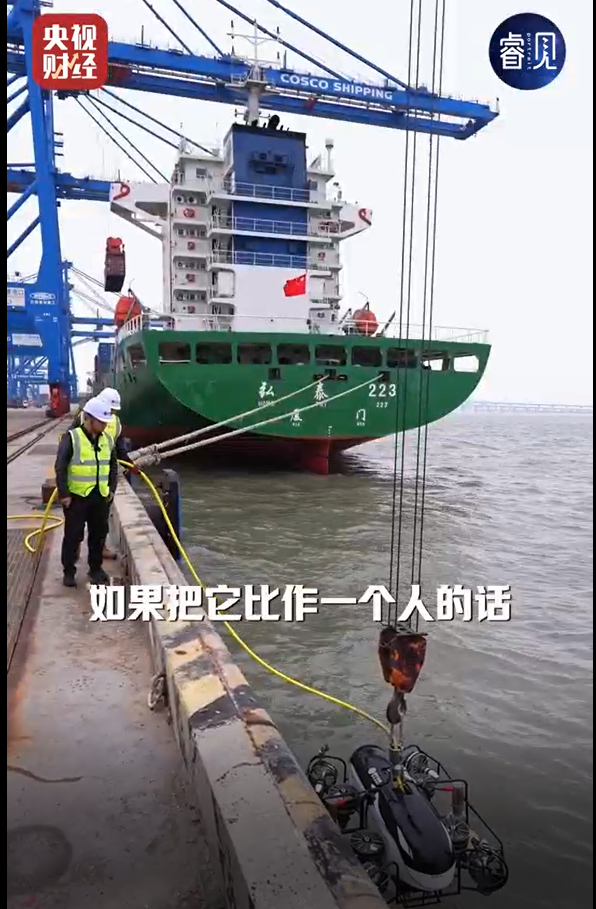
Taking the Unconventional Path: Building Full-Depth Universal Robots
Most conventional players treat marine robots as single-function "offshore engineering equipment," resulting in heavy, boxy designs or tank-like crawlers. However, marine environments are complex and constantly changing, and operational scenarios from 0 to 10,000 meters vary drastically. Traditional engineering approaches simply cannot meet the needs of all ocean domains and scenarios.
As Chen Xiaobo explains, operational needs across different ocean depths are highly diverse:
Surface (0m): Emergency response, maritime transport, environmental protection, etc.
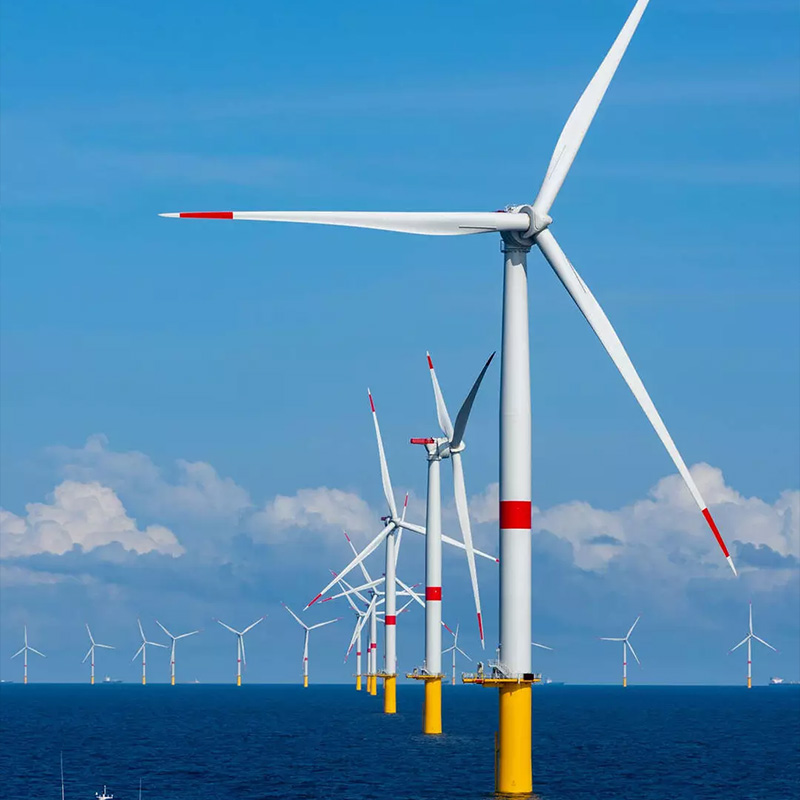
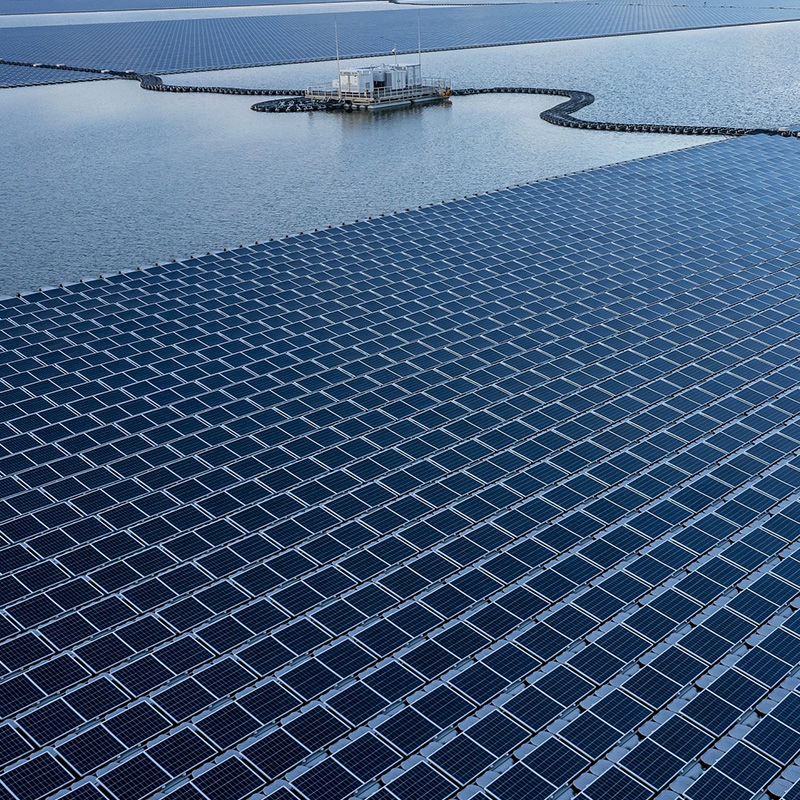
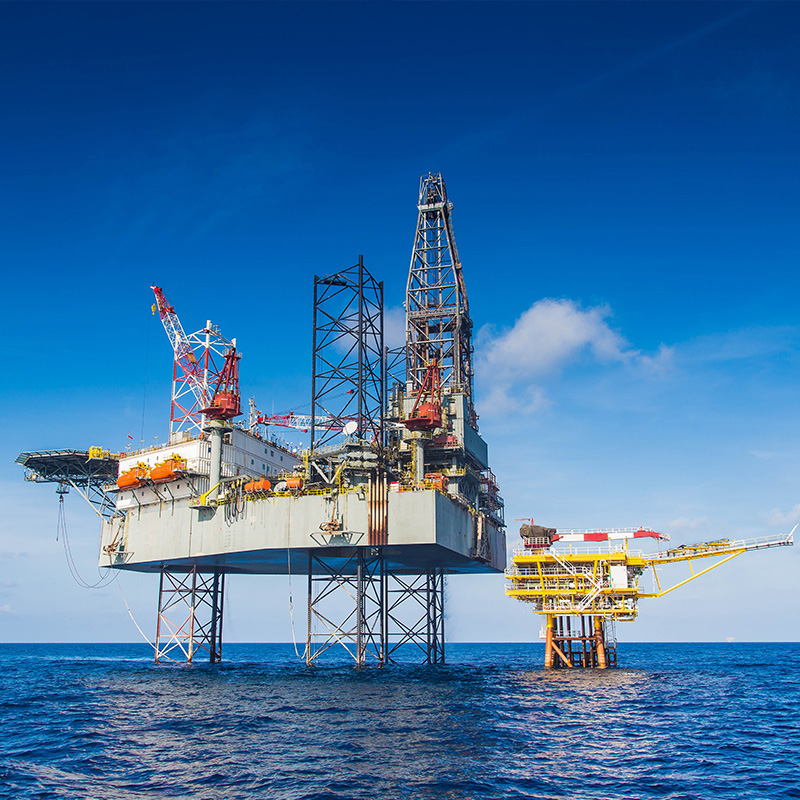
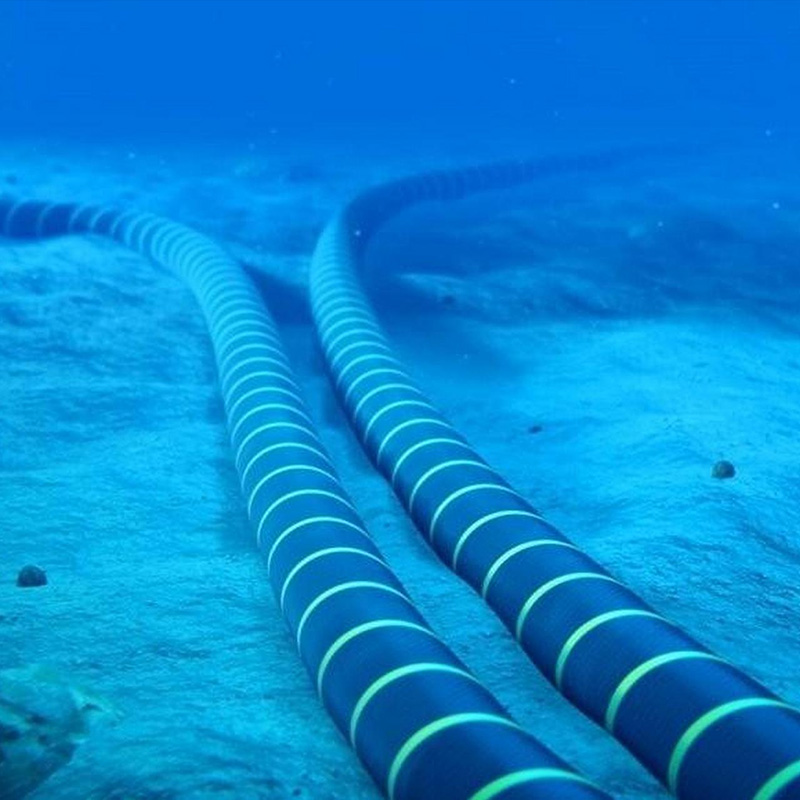
0 to 300m: Commercial shipping, marine ranching, offshore photovoltaics, offshore wind power, subsea pipelines/cables, and cross-sea/cross-river bridges.
Below 300m: Deep-sea exploration, seabed mining, scientific research, and deep-ocean missions.
If companies were to design a bespoke machine for every single scenario following traditional offshore equipment logic, hundreds of thousands of equipment variants would be required—an approach that is economically and technically unfeasible.
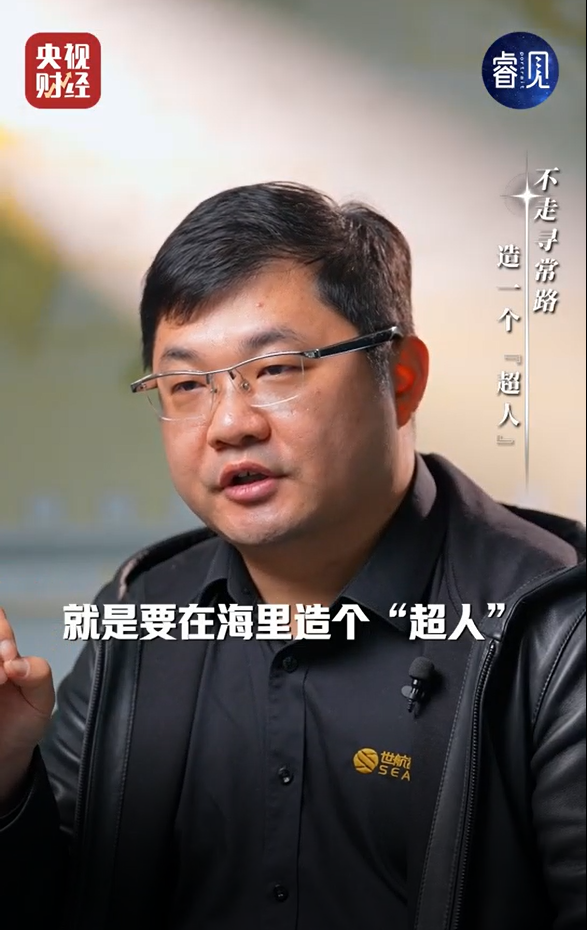
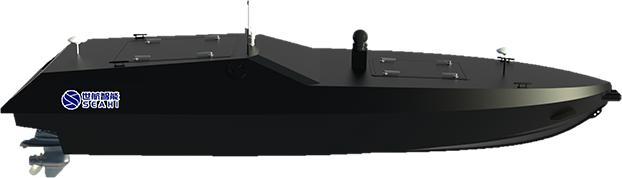
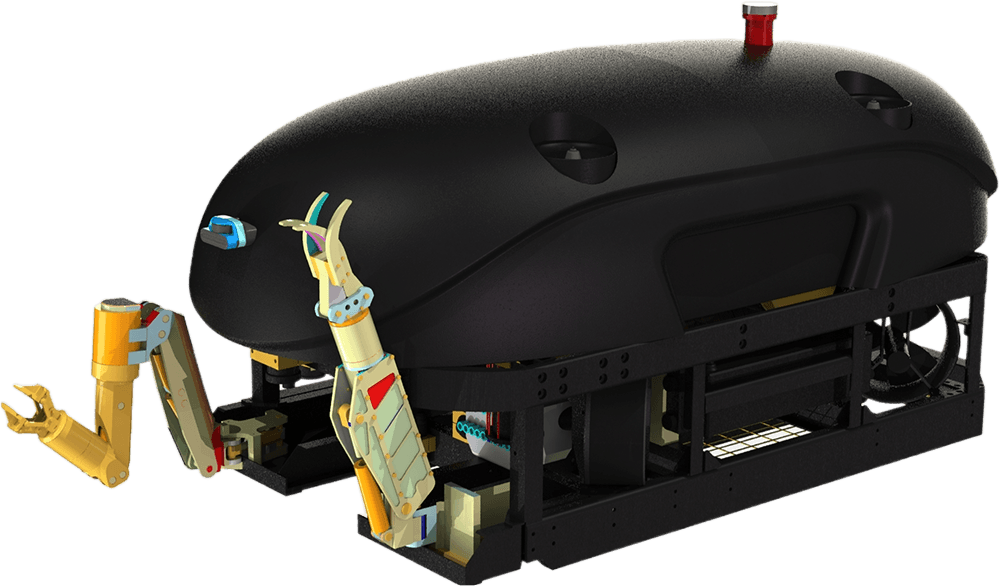
From day one, Seahi Robotics set out to build "all-around" universal marine robots capable of carrying different modular payloads to perform diverse tasks. Under this vision, Seahi developed a universal architecture backed by full-stack, in-house R&D based on a "Platform + Brain + Modules" framework. By pairing the "Orca" full-degree-of-freedom embodied robot with the "CEORION" marine embodied AI foundation model, the platform can quickly adapt to varied scenarios—including ship cleaning, offshore wind, and marine photovoltaics—by simply swapping self-developed modules for cleaning, inspection, or manipulation.
"By manufacturing all components entirely in-house, we not only guarantee product quality, but also compress manufacturing costs to one-tenth of competing overseas products," says Chen Xiaobo. As the lead drafting entity, Seahi Robotics teamed up with the Ministry of Transport, China Merchants Energy Shipping (CMES), and other industry leaders to establish China's official industry standards for underwater hull cleaning robots. Furthermore, Chen actively drives supply chain integration, deploying project managers directly to supplier factories to provide hands-on guidance on process optimization, resolving quality control challenges among small component workshops and raising standards across the entire industry.
While much of the world looks up at the stars, seeking a second home for humanity on Mars, Chen Xiaobo believes that the ultimate unexplored frontier lies right here on Earth—the deep sea.
"The ocean, covering over 70% of the Earth's surface, is humanity's last undeveloped frontier," says Chen. "My goal is to explore it through the power of robotics."