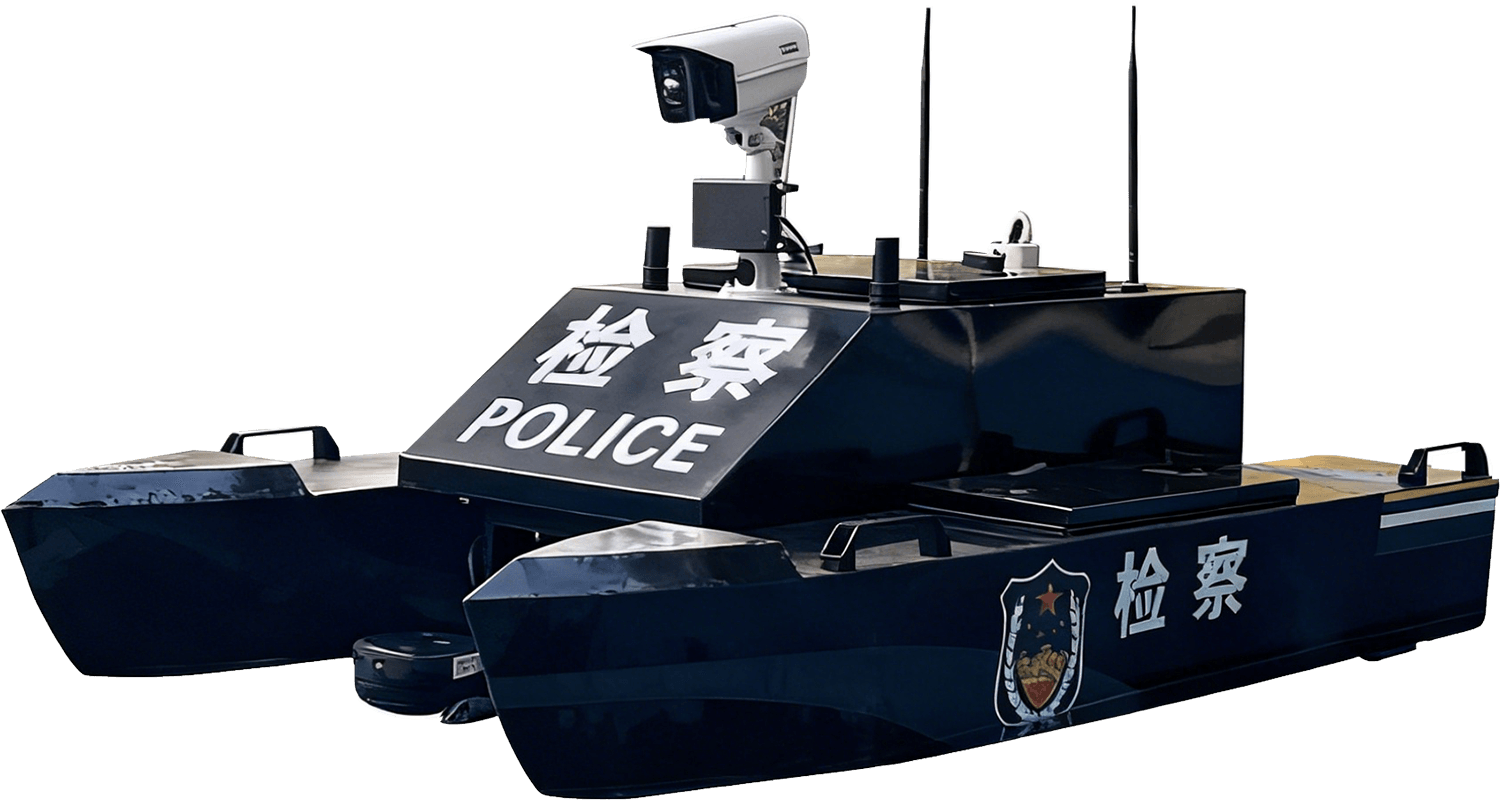
Titanium Media AGI | Interview with Chen Xiaobo, Founder of Seahi Robotics: Underwater Robotics is a Valuable Industry Requiring Long-Term Commitment.

After announcing a “mass exit from humanoid robotics,” Zhu Xiaohu, managing partner of the Jinshajiang Venture Capital Fund, has now led an investment in an underwater robotics company.
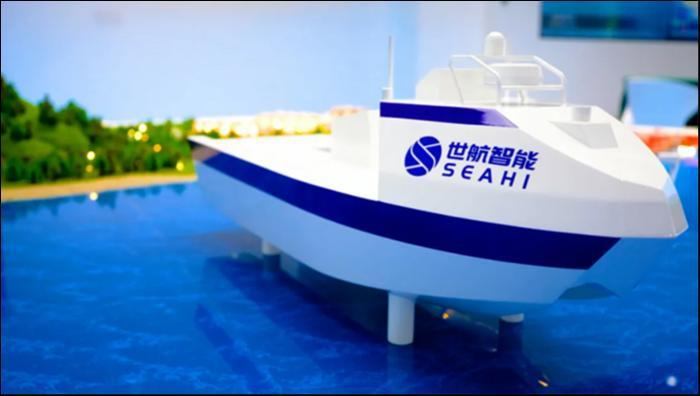
May 16 News, Titanium Media AGI has learned that underwater robotics company Seahi Intelligent recently completed consecutive angel+ and Pre-A rounds of financing totaling 50 million yuan. The angel+ round was led by China Merchants Group's China Merchants Qihang Capital, while the Pre-A round was co-led by GSR Ventures and Yunze Capital. Existing investor Kunshan Angel Fund continued its participation, with additional backing from Wuzhong Financial Holdings and Anyu Capital. Anyu Capital serves as the company's long-term exclusive financial advisor.
This marks the company's third funding round in nearly two years since its establishment.
Regarding the funding rationale, Chen Xiaobo, Founder and CEO of Seahi Intelligent, told Titanium Media AGI on the 15th that as a leading domestic underwater robotics company, Seahi possesses deep technical expertise in R&D. However, industrialization requires continuous iteration tailored to specific application scenarios to achieve higher efficiency, lower costs, and greater intelligence. While Seahi Intelligent has achieved commercialization and generated revenue in the 0-300 meter range, its deep-sea robotics Ocean X series still requires R&D investment to realize technological implementation.
Therefore, within our company, we refer to the current generation as the application generation, the next as the R&D generation, and the following as the pre-research generation. The application generation primarily focuses on current ship cleaning scenarios while undergoing technological iteration. As we develop versatile underwater robots, different operational modules must adapt to a broader range of scenarios. Funding will also be invested in technological areas such as large models and deep learning. Our positioning is to unlock super productivity across the entire 0 to 10,000-meter deep-sea spectrum. Our R&D investments and market application expansions are steadily taking root, targeting the immense potential of the oceans—which cover over 70% of Earth's surface," stated Chen Xiaobo.
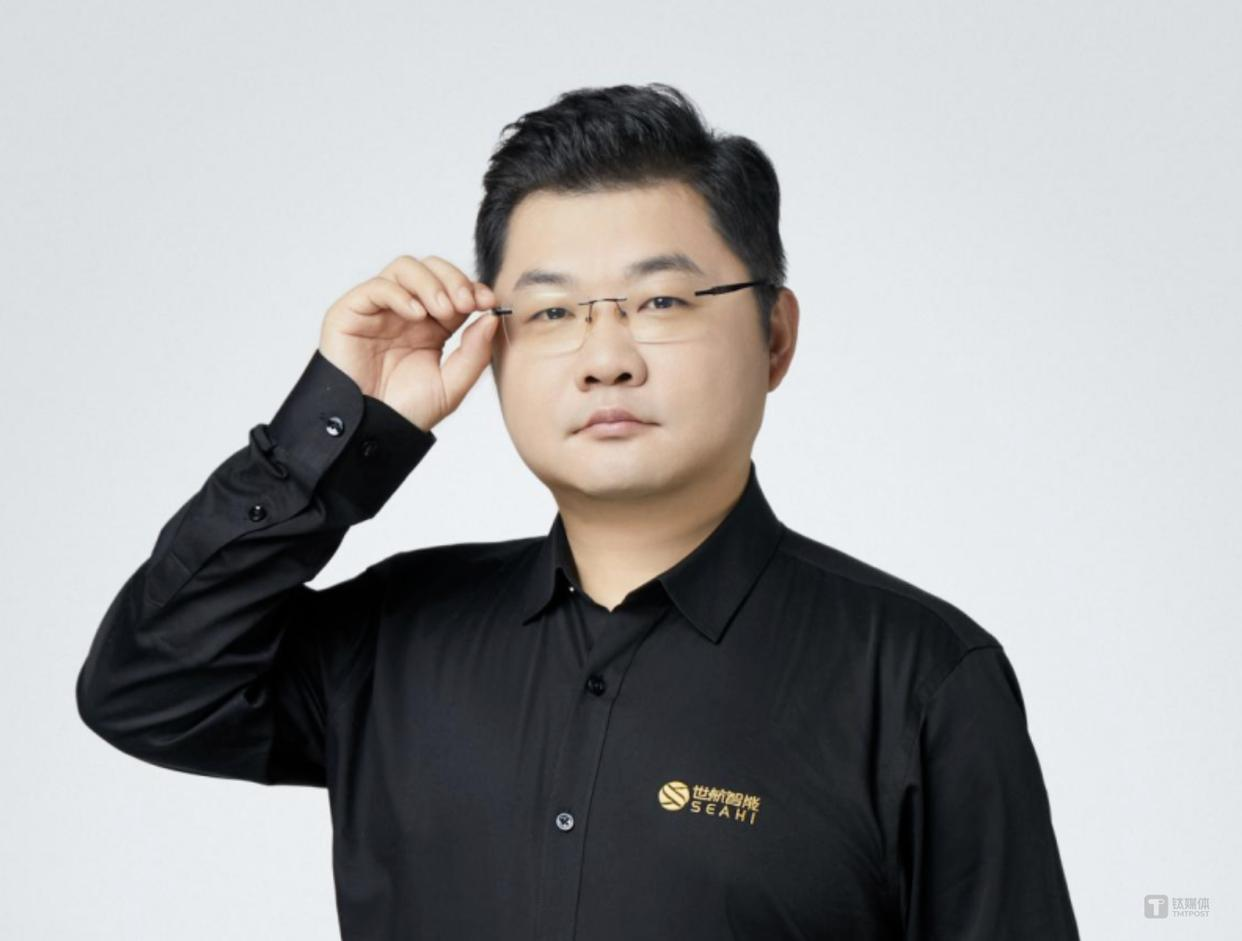
Chen Xiaobo, Founder and CEO of Seahi Intelligent
Underwater robots are a type of embodied robot—operational robots designed for underwater environments. Compared to aerial and terrestrial settings, underwater operations present far more complex and challenging conditions. This severely limits our ability to develop the oceans and even understand them. Meanwhile, China possesses 32,000 kilometers of coastline, ranking among the world's top five. China leads globally in annual shipbuilding output and shipping volume. Seven of the world's top ten ports are located in China. Yet China's self-sufficiency rate for core equipment in high-end marine engineering projects remains below 5%.
Seahi Intelligent was established in 2023.
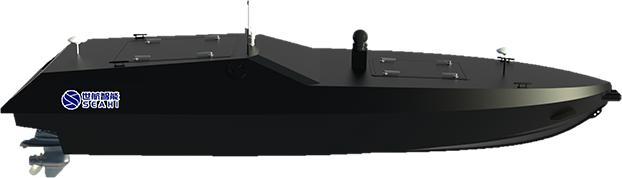
Prior to this, its founder Chen Xiaobo graduated from Harbin Engineering University and Northwestern Polytechnical University. At 28, he received the First Prize in National Defense Science and Technology Progress Award and won the China Robot Competition championship three consecutive times. By age 35, he became a senior engineer and was honored as a “Young Scientist for a Maritime Power.” With 18 years of practical experience, he spearheaded the development of China's first commercial underwater cleaning robot and the nation's inaugural surface unmanned system of a certain type.
Initially, I worked on both aerial drones and underwater robots simultaneously. However, driven by my passion and obsession with ocean exploration and underwater discovery, I began focusing exclusively on underwater technology. I have led over 20 major national and defense research projects, serving primarily as project director or chief technical officer. Yet, throughout this journey, I observed a striking pattern: many of the technologies we developed were quite advanced, with many metrics ranking first domestically and internationally. Yet once a project concluded, it abruptly ended—there was no further industrialization. I believe industrialization is essential to generate greater value for the entire industry. I realized we still lagged significantly behind foreign counterparts in industrialization and productization." Chen Xiaobo told the author that after returning to China in 2016, he began driving technological upgrades and industrial applications for underwater robots.
Beyond the founder, most of Seahi's core team hails from research institutions and organizations with disciplinary strengths, such as Harbin Engineering University, the Ministry of Water Resources, and the Chinese Academy of Sciences. Currently, the Seahi team numbers fewer than 100 members.
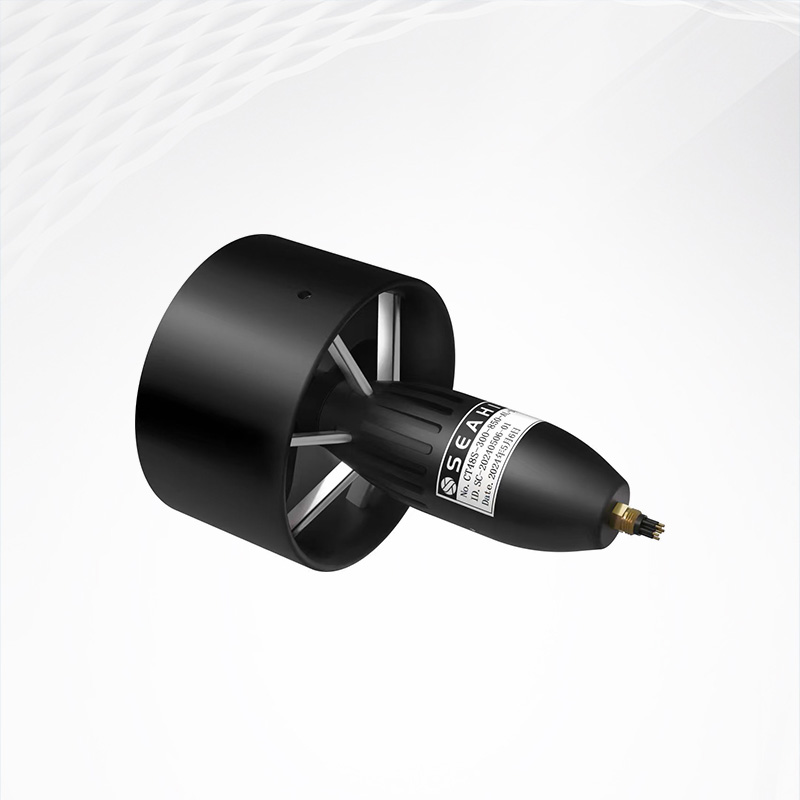
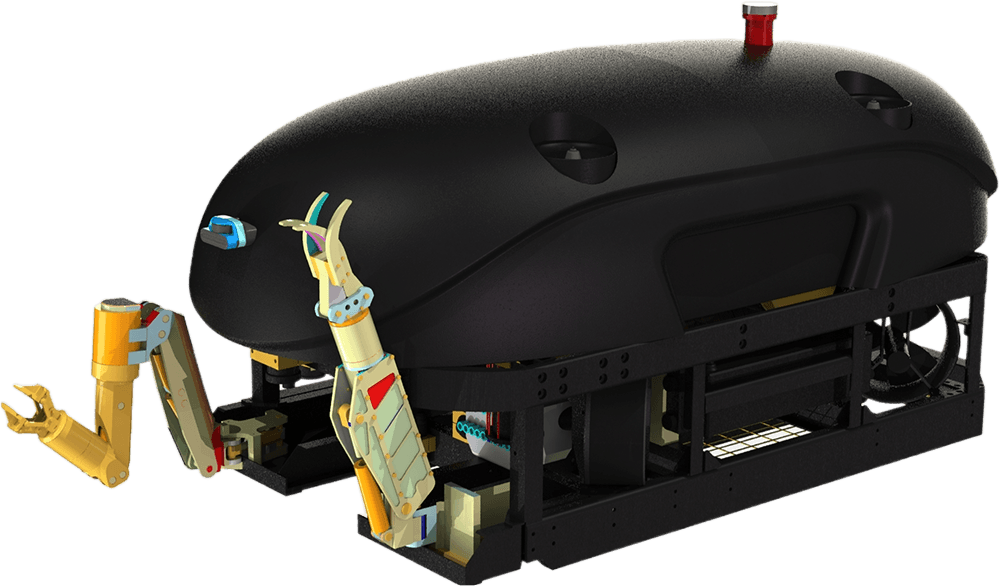
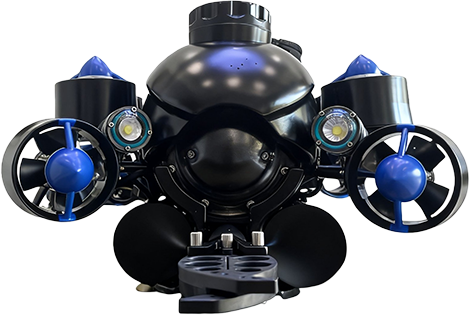
Technologically, Seahi's underwater robots pioneered stable, high-speed, and fully-maneuverable operations underwater. The company independently developed six core systems: propulsion, control, sensing, navigation, waterproof sealing, and deployment. Consequently, within less than two years of its founding, the company secured over 150 intellectual property rights related to underwater robots and intelligent vessels.
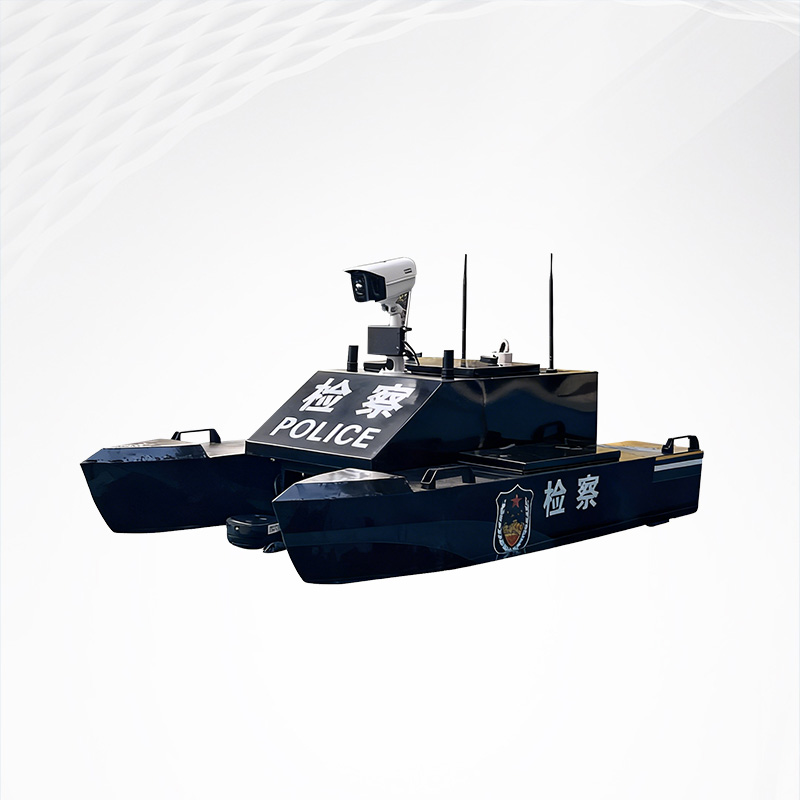
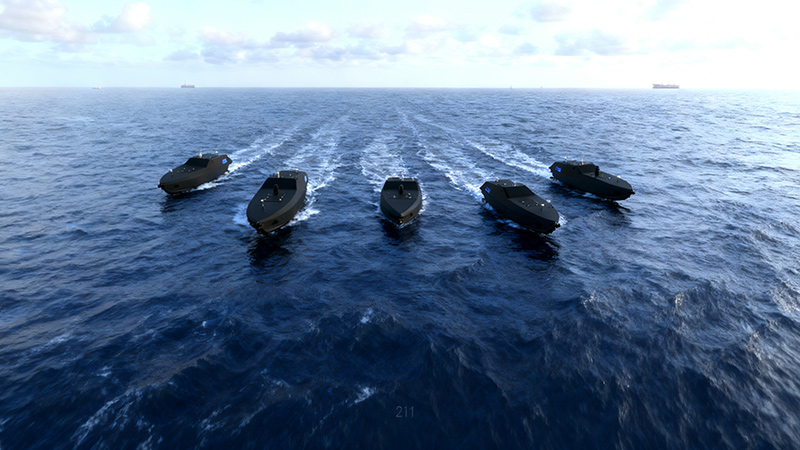
Meanwhile, the company has independently developed a full-degree-of-freedom attitude control algorithm, enabling operations in sea states of force 3 and above. Its current resistance capabilities rank among the world's best. The company's robots push the boundaries of depth, range, endurance, and harsh environments, capable of operating in oceans from 0 to 10,000 meters. They can be applied across multiple underwater scenarios, including unmanned vessels, transportation, cleaning, resource exploration, and infrastructure maintenance.
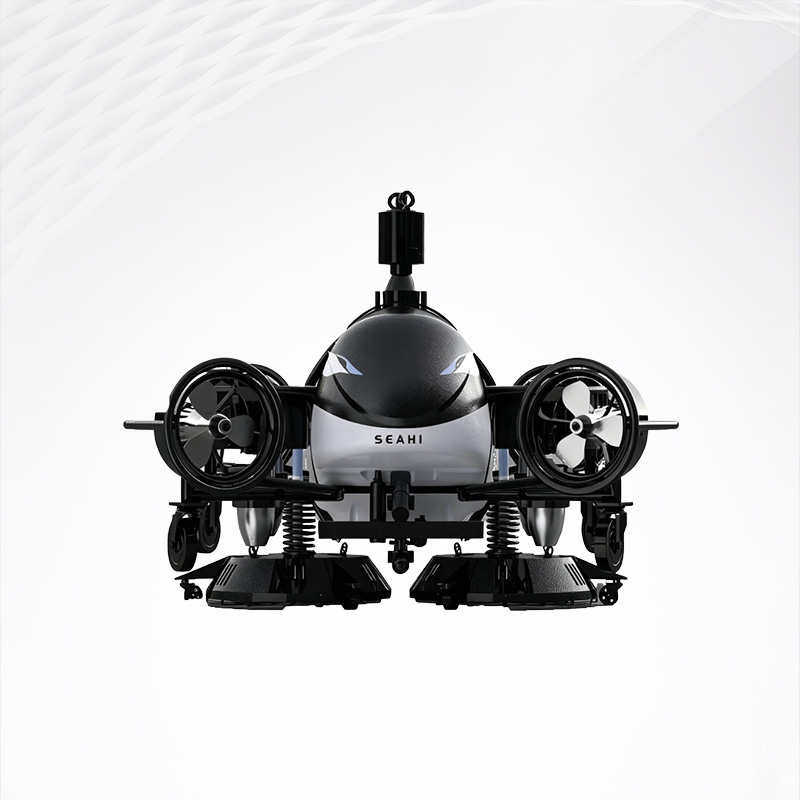
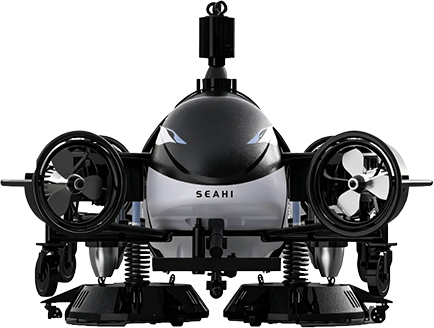
On the commercial front, Seahi's inaugural underwater cleaning robot, the “Orca,” has been in commercial operation for over a year. Its clientele includes high-reliability specialized industries like China Huadian Engineering Group, shipping companies, and port groups, earning widespread acclaim. The company reportedly doubled its revenue last year.
Chen Xiaobo told the author that the Orca underwater robot offers the industry's highest operational efficiency, lowest cost, and most thorough cleaning solution. It operates three times more efficiently than comparable foreign products while costing only one-seventh as much.
In reality, underwater robotics is a technology-intensive sector with high entry barriers. Currently, the number of domestic enterprises in this field remains limited, resulting in a fragmented market landscape with low concentration. Agglomeration effects have yet to materialize, and there is still room for technological advancement. As the underwater robotics industry is in its developmental phase, future growth is poised to accelerate under the backdrop of strong national policy support for marine resource development and the promotion of underwater robotics. Domestic underwater robotics enterprises are expected to increase steadily, indicating substantial potential for industry expansion.
According to the Research Report on the Operational Status and Development Strategy of China's Underwater Robot Market, the industry reached a market size of 11.02 billion yuan in 2022. It is projected to exceed 40 billion yuan by 2027.
In Chen Xiaobo's view, humans use different tools for different productive tasks—computers for writing and programming, hammers for driving nails. Seahi Intelligent first develops a universal underwater robot, then equips it with specialized tools to perform a wider range of marine missions. Through accumulated expertise in technology, scenarios, and industry, the company ultimately aims to establish a leading universal underwater robot product.
From a productivity perspective, he summarized three fundamental principles for robotics: 1. Perform tasks humans cannot or are extremely dangerous to undertake; 2. Tackle tasks where human efficiency is low (achieving at least 10 times greater efficiency); 3. Perform tasks where human labor is costly (reducing costs by at least 50%). If two of these criteria are met, the task is viable. Meeting all three indicates a strong, urgent need—ship cleaning exemplifies this triple-check scenario. Meeting only one suggests a pseudo-need (market viability requires technological iteration to reduce costs and increase efficiency until at least two criteria are met). Failing to meet any indicates further iteration is needed.
“Take mobile phones as an example. Early models were bulky and expensive, yet they still found a market. Through technological innovation, they became progressively cheaper, faster, and more efficient, driving widespread adoption. As a product undergoes technological iteration, cost reduction, and efficiency gains, its market potential multiplies exponentially,” Chen Xiaobo stated. Underwater robots, he asserted, are poised to become the “super productivity” of the oceans.
When discussing large AI models, Chen Xiaobo noted that over the past few years, Seahi has been actively developing reinforcement learning and control algorithms for both surface and underwater robots. As large models and end-to-end technologies continue to evolve and integrate effectively with robotics, “I believe this will continuously enhance the capabilities of the entire underwater robotics ecosystem across diverse new environments and scenarios.”
At the conclusion of the conversation, the author posed a fundamental question to Chen Xiaobo: How can we strike a balance between long-term technological vision and short-term capital/market-driven thinking?
Chen Xiaobo emphasized that the robotics industry requires patience. He urged anticipation of continuous technological iteration and efficiency gains, enabling robots to perform tasks beyond human capability. This would accelerate commercialization, ultimately addressing labor cost and productivity challenges. He stressed that underwater robotics represents a valuable industry demanding sustained, long-term commitment.
I hope every entrepreneur avoids chasing trends. No matter the endeavor or industry, it demands long-term commitment and the resolve to endure periods of stagnation. Take my own journey with underwater robots—I've dedicated 18 years to this field. Throughout this path, I've witnessed every technological evolution in the industry, starting with developing core components from scratch. Only in recent years have we finally created versatile robots capable of stable operation in the ocean. It's an exceptionally long-term process. Throughout this journey, individuals (entrepreneurs) must stay focused on one direction, constantly thinking about how to make their work more valuable. If I were to offer advice to the industry, it would be: don't pursue universality for universality's sake. Instead, consider what problems a universal product is truly meant to solve. Currently, robots hold greater value in specific scenarios and vertical applications. I believe a brighter future lies ahead. In the long run, technological capabilities like intelligence and AI will enable robots to integrate into every aspect of human work and life," stated Chen Xiaobo.
It has been revealed that Seahi Intelligent will launch new products in its OceanX series during the fourth quarter of this year.
Seahi Intelligent emphasized, “Underwater robots represent a super productivity force within the marine economy. Our company aspires to lead China's technological advancement and jointly build a maritime powerhouse.”
(This article was first published on the Titanium Media App. Author: Lin Zhijia)