China National Nuclear Corporation (CNNC): China's Largest Offshore PV Project Sees Full Deployment of Marine Robotics
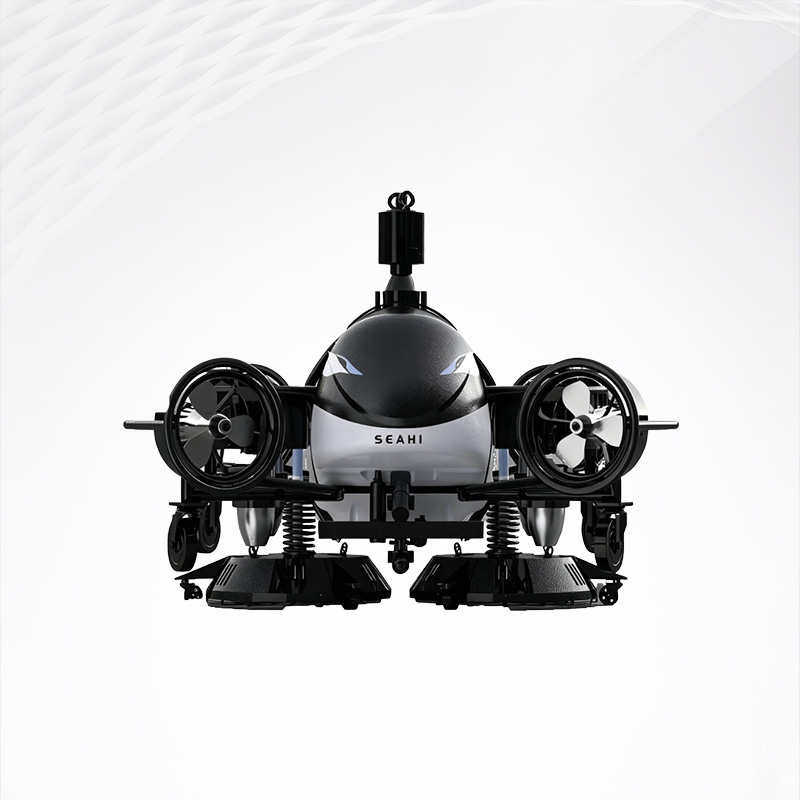
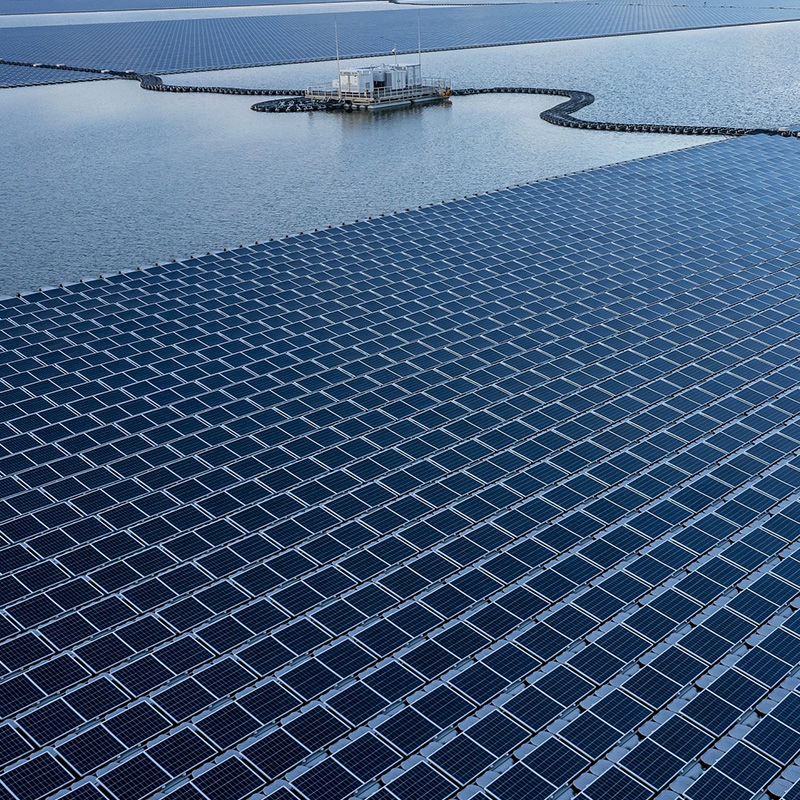
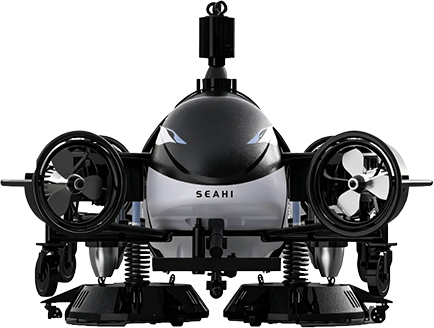
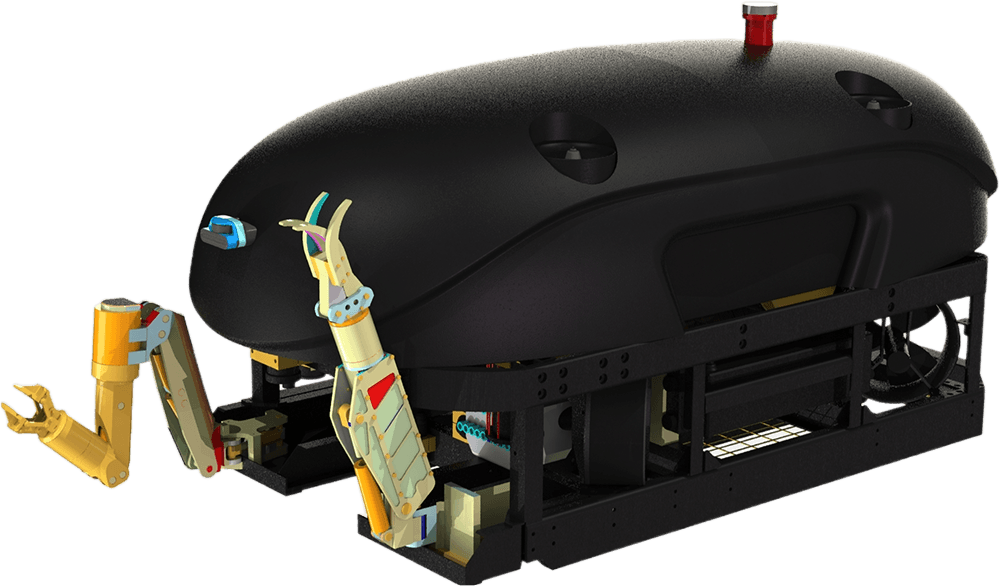
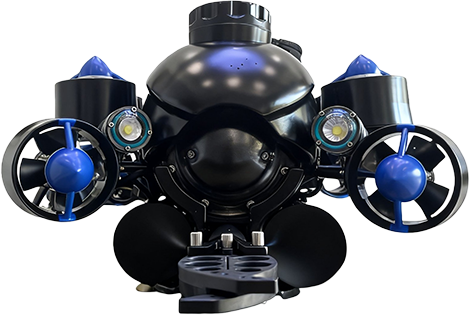
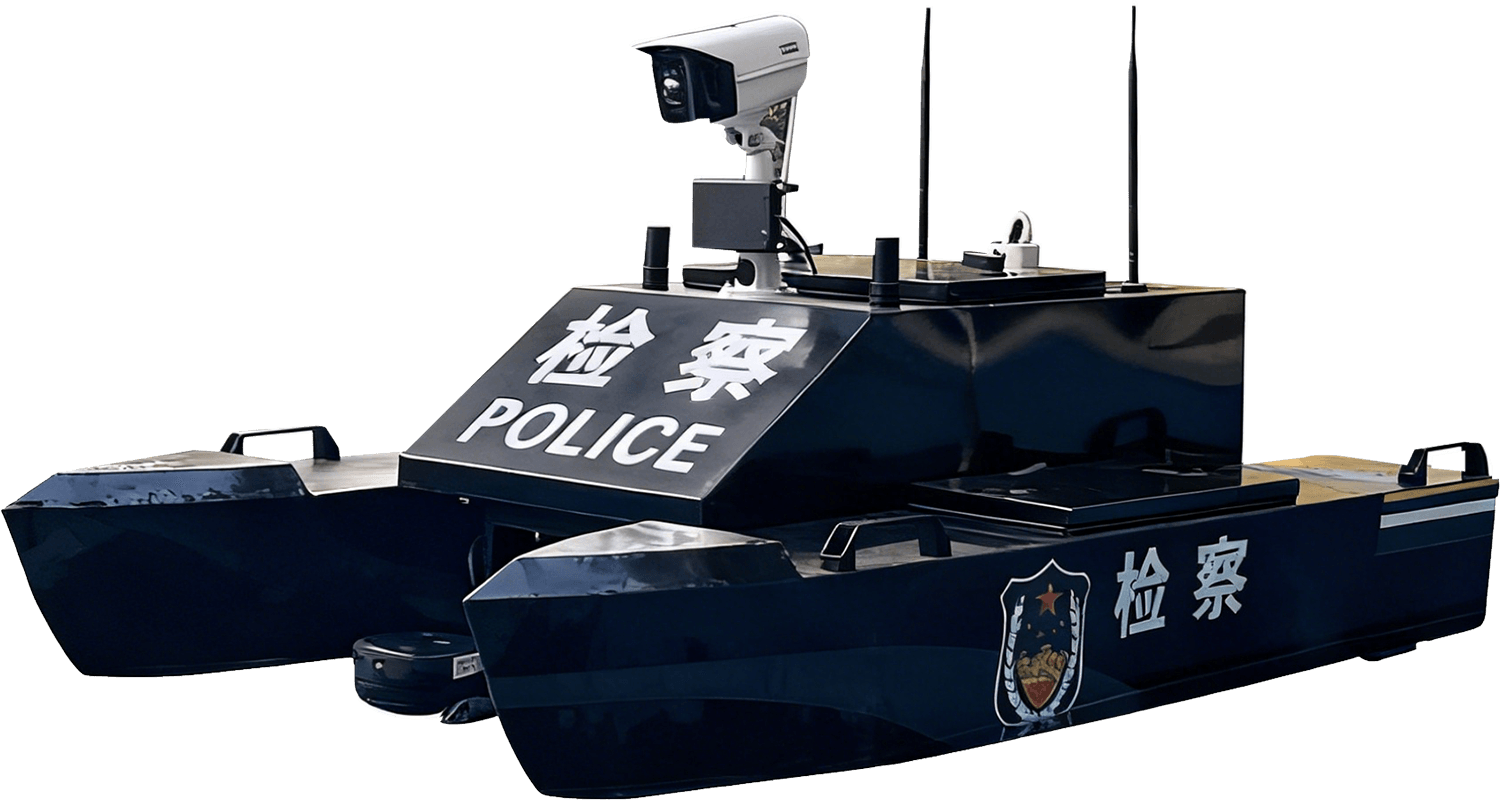
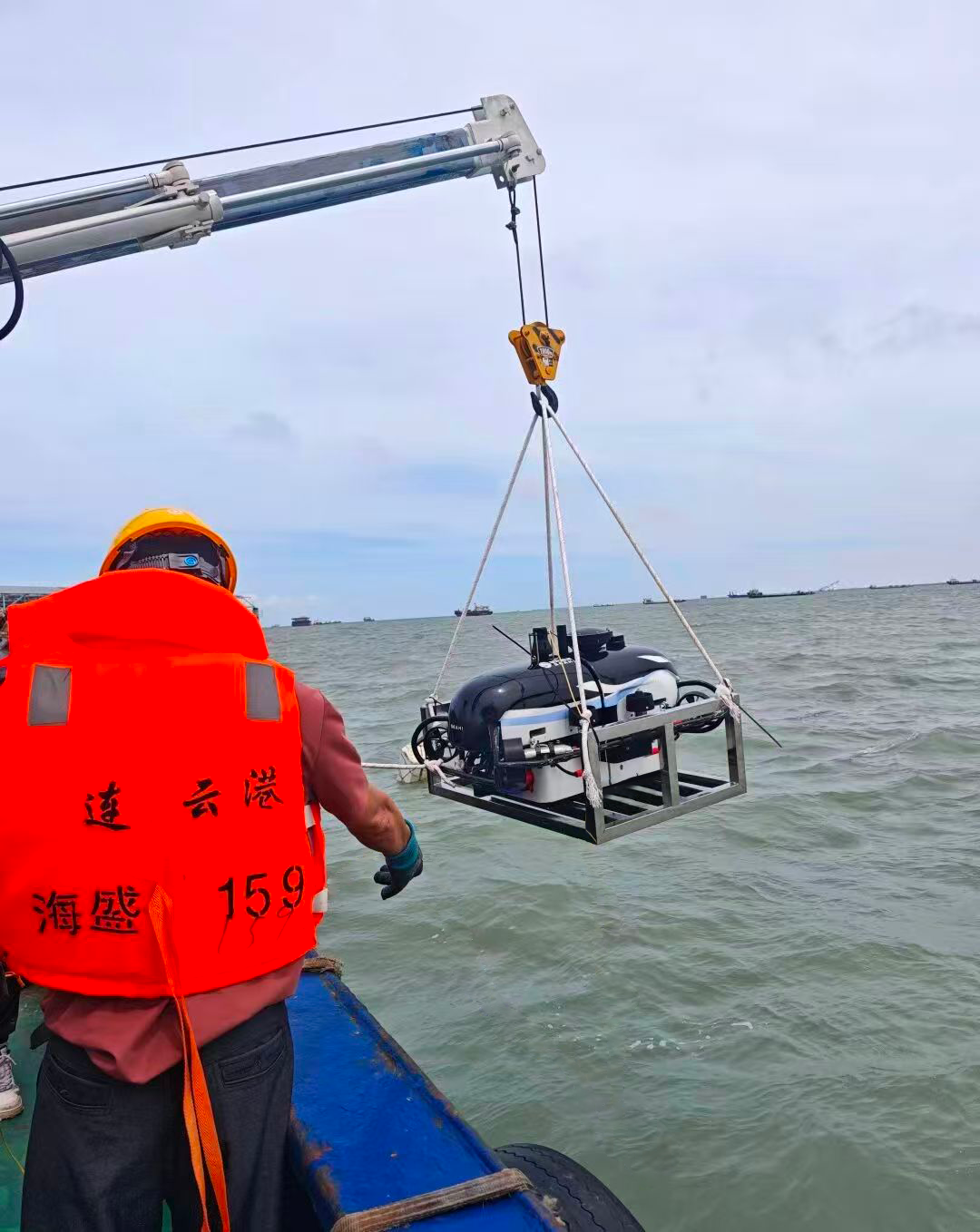
Off the azure coasts of Lianyungang in the Yellow Sea, construction is in full swing for China’s largest offshore photovoltaic (PV) endeavor—the CNNC Tianwan 2-Gigawatt Tidal Flat PV Demonstration Project. Recently, two autonomous underwater pile-foundation inspection robot systems—spearheaded and developed by CNNC Xinhua Power (Jiangsu)—officially entered the project’s waters for offshore trials following rigorous freshwater testing. This marks the formal commissioning of a dedicated "subsea medical team" designed to safeguard this 28,000-mu (approx. 1,866-hectare) "blue energy hub."
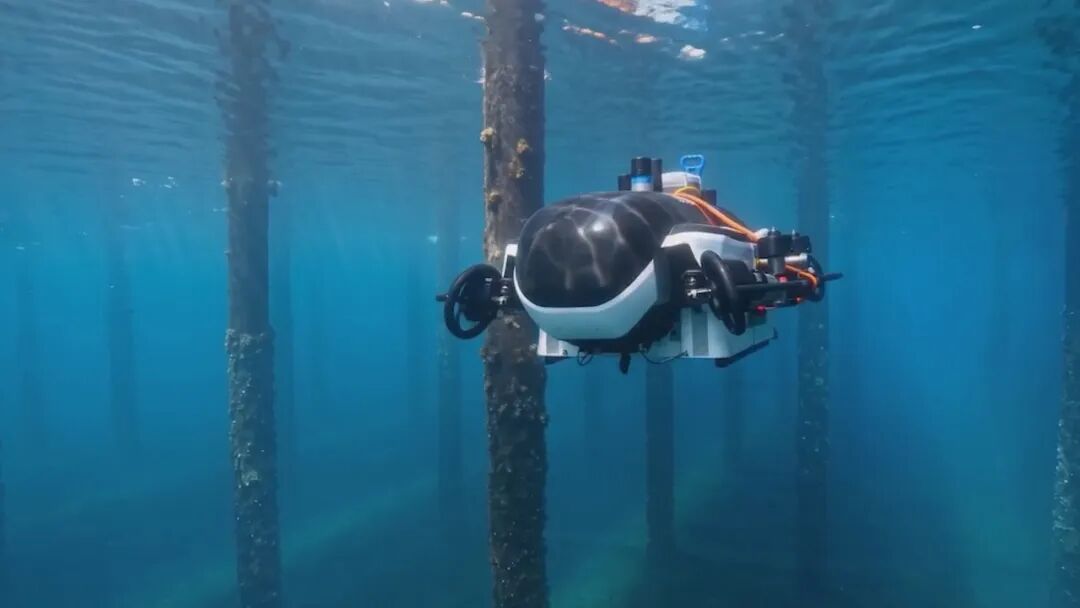
It is reported that over 60,000 prestressed concrete pipe piles have been driven into the seabed as the foundational "skeletal structure" for this massive engineering feat. To guarantee the operational integrity of this mega-project, the newly deployed robotic systems will replace manual labor. They will conduct comprehensive, precise, and efficient intelligent "health checkups" on the subsea pile foundations, providing robust technical assurance for the safe and stable operation of the offshore PV plant.
Empowering Robots with Sustained "Vitality"
Pitting corrosion, crevice corrosion, microbial-induced corrosion... For PV pile foundations embedded tens of meters deep into the seabed, corrosion acts like a silent, chronic disease eroding these critical energy "bones." Traditional manual diving inspections are not only high-risk and low-efficiency, but also nearly impossible to execute in deep, offshore waters.
To extend the lifespan of these pile foundations and secure power reliability, a more intelligent approach was imperative. The engineering team resolved to develop an underwater robot capable of operating with complete autonomy in complex marine environments.
"The underwater robot must be equipped with 'HD eyes' (cameras) and 'acoustic stethoscopes' (sonars) to proactively approach the piles and conduct detailed surface scans," explained Cui Jinjun, Technical Lead for the Autonomous Underwater Pile-Foundation Inspection Robotic System. "Furthermore, it requires an artificial intelligence 'brain' capable of analyzing images to automatically diagnose issues such as corrosion, cracks, and biofouling—with a target accuracy rate of no less than 95%."
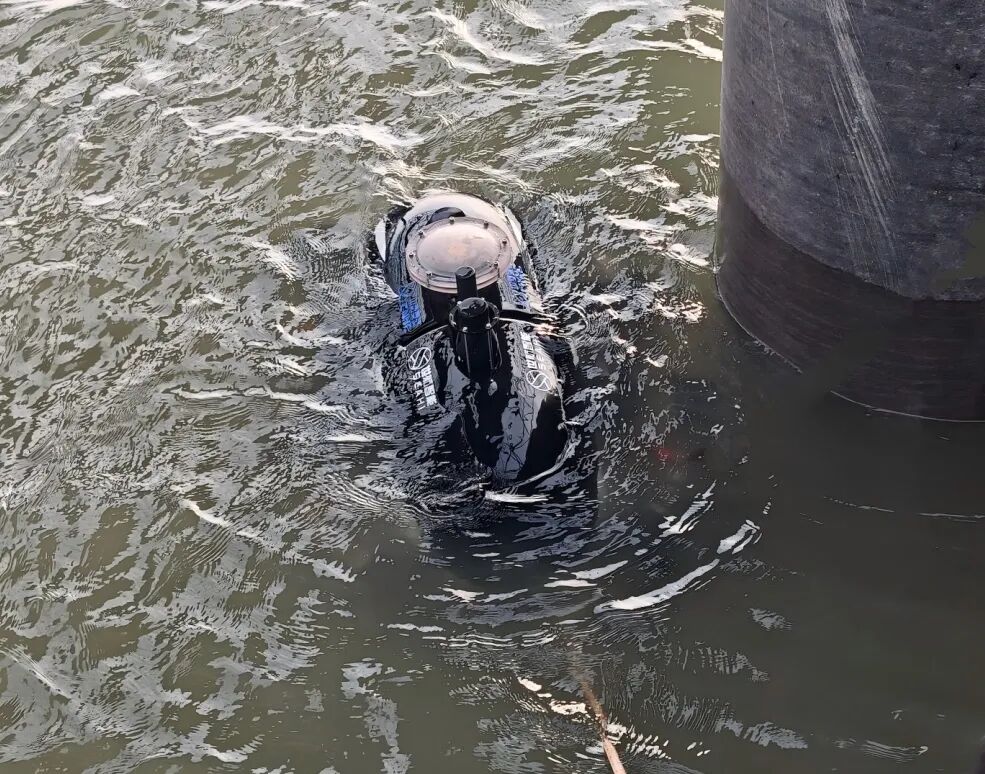
Achieving Wireless Endurance + Precision Navigation
While the blueprint was visionary, turning it into reality meant overcoming formidable hurdles. One of the greatest challenges was ensuring long-term operational endurance for the robots.
Traditional underwater robots rely on tethered power cables or frequent retrieval for battery swaps. The former severely restricts operating range, while the latter compromises efficiency and equipment lifespan. Consequently, the team turned their focus toward cutting-edge subsea wireless charging technologies.
Currently, mainstream underwater robots predominantly rely on wet-mateable connectors for power transmission. This method requires pinpoint alignment between the robot and docking station, driving up control complexity and costs while carrying drawbacks such as wear and tear, electrical sparking, rigidity, and maintenance difficulties. To solve this, the team innovatively adopted magnetic coupling resonant wireless power transfer technology, enabling autonomous and convenient power transmission to the subsea robots for continuous operations. The newly developed subsea wireless charging system delivers up to 10 kW of power per unit while maintaining a transmission efficiency of over 90% underwater, significantly boosting inspection and defect-identification efficiency.
With "range anxiety" resolved, the team addressed another critical milestone: high-precision underwater positioning and autonomous navigation in dark, turbulent waters. Through extensive simulation tests—including static hovering, complex S-curve trajectories, and close-proximity pile circling—the project team iteratively optimized the positioning algorithms.
Ultimately, they achieved a quantum leap in positioning accuracy, refining error margins from "3 meters per 100 meters" to "less than 2 meters per 1,000 meters," laying a solid foundation for autonomous cruising and fine-grained inspections.
Months of Intensive Closed-Loop Testing
Even the most sophisticated designs must be tested in real-world conditions. At the still-water testbed of the Changshu Fishery-PV Complementary Project in Jiangsu, the underwater robots underwent months of intensive closed-loop training.
The training curriculum was demanding, covering eight core subjects: from positioning precision and automatic docking/recovery to wireless charging, dual-robot collaborative dispatching, and full-process closed-loop field trials.
Inevitably, real-world testing brought unexpected challenges. During docking and recovery, strong currents caused the robots to sway; post-transportation, loose coil mountings inside the wireless charging stations led to a sharp drop in charging efficiency; and during dual-robot operations, conflicts arose over charging station access.
The team confronted each issue head-on:
They divided the docking and recovery procedure into four distinct phases—"Far, Mid, Near, and Cage-Entry"—gradually optimizing control parameters at every step.
They applied thread-locking fluid to all critical screws in the wireless charging stations, eliminating hardware vulnerabilities.
They engineered an intelligent multi-robot dispatching system, ensuring low-battery or high-priority tasks received "priority care."
Through relentless tuning, the system's stability surged. Test data revealed that single-attempt docking and recovery success rates stabilized above 90%, wireless charging protection effectiveness reached 100%, and dual-robot collaborative operations executed long-duration missions without conflicts or deadlocks.
"Subsea Medical Team" Certified for Duty
As the final underwater robot completed its closed-loop tests at the Changshu facility, this specialized "subsea medical team" officially earned its certification to operate. They are now fully prepared to deploy to their true battlefield: the Tianwan waters in Lianyungang.
Currently, pile foundation and trestle construction for the 207 Demonstration Sub-array of the Tianwan Project is complete, alongside the subsea brackets designed to house the wireless charging stations and recovery cages. Real-world tides, winds, waves, and turbid waters will soon validate the team's capacity for routine, automated inspections of offshore PV pile foundations.
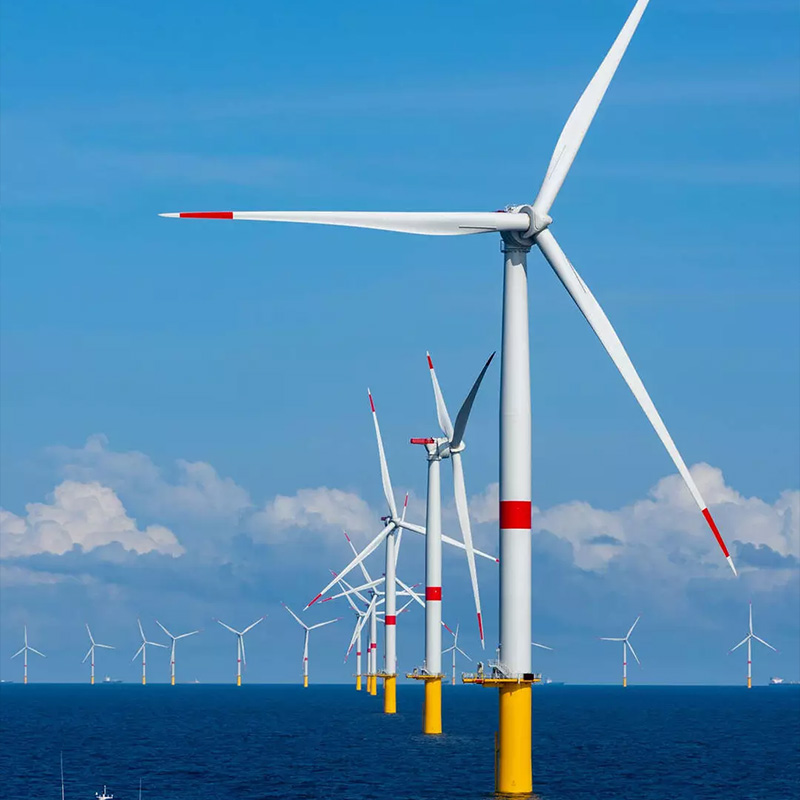
This milestone is more than just a technological demonstration—it paves a pioneer pathway for the intelligent operation and maintenance of subsea infrastructure across large-scale offshore PV plants and wind farms worldwide.