First Prize in Navigation Science and Technology! Seahi Honored with the Highest Technological Distinction in China's Maritime Domain
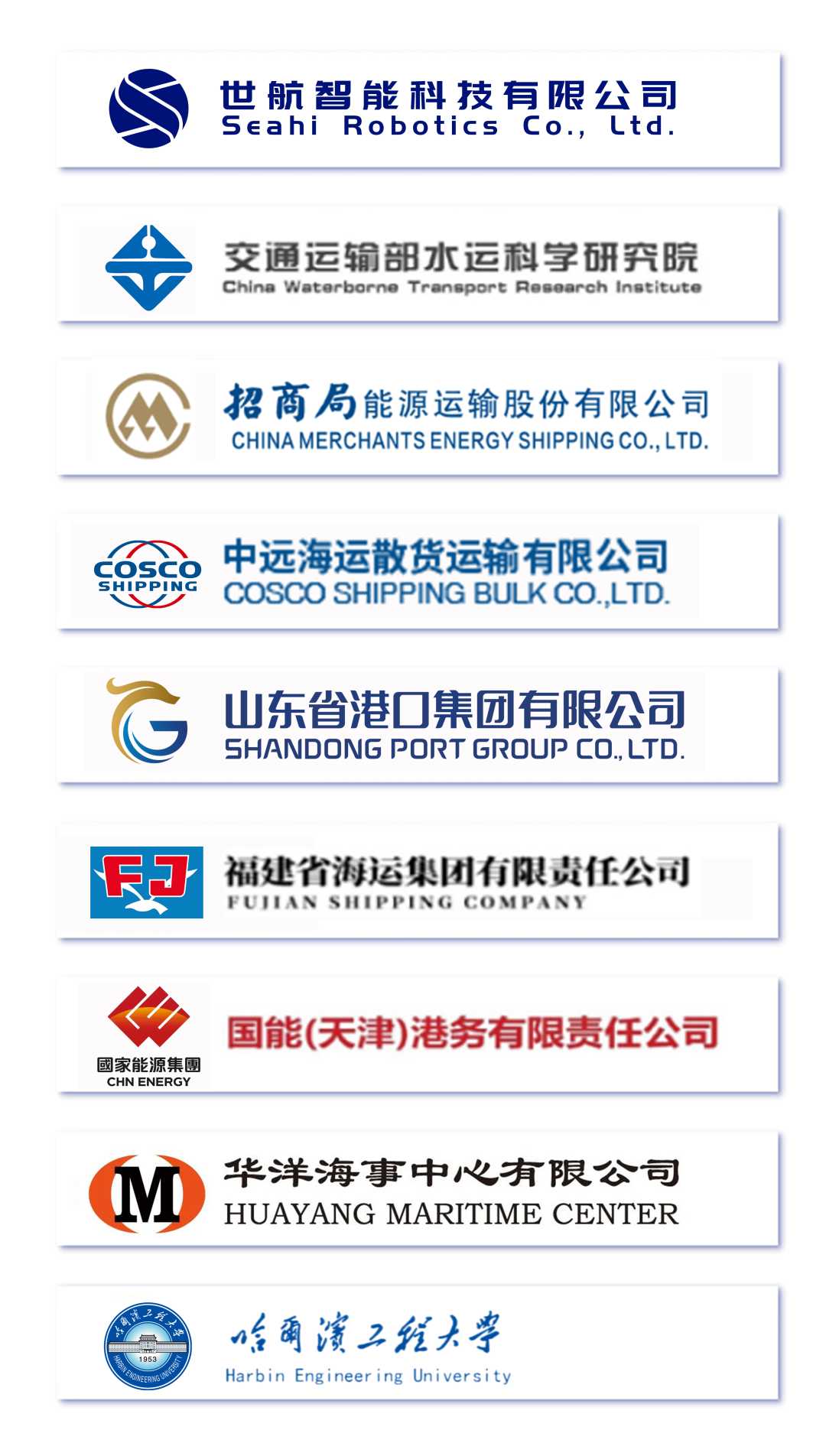
Recently, a project led by Seahi Robotics Technology Co., Ltd.—in joint application with eight top-tier industry organizations, including the Water Transport Research Institute of the Ministry of Transport, China Merchants Energy Shipping (CMES), Shandong Port Technology Group, Fujian Shipping Group, CHN Energy (Tianjin) Port Co., Huayang Maritime Center, and Harbin Engineering University—won the First Prize of the 2025 China Institute of Navigation Science and Technology Progress Award.

Authorized under the National Science and Technology Award Regulations by the State Council and the Measures for the Administration of Science and Technology Awards Established by Social Forces by the Ministry of Science and Technology, the China Institute of Navigation Science and Technology Award was officially established via Announcement No. 05 by the National Science and Technology Awards Office. It serves as the authoritative benchmark for measuring technological progress and industrial contributions in China's maritime domain.
Notably, among this year's First Prize winners, all other awarded projects were led by government agencies, top research institutes, or major state-owned enterprises. Seahi stood out as the sole private enterprise lead unit, achieving this breakthrough through its hard-tech strength in full-stack in-house R&D. This accomplishment represents high industry recognition of Seahi's technological leadership and innovation in extreme marine environment robotics, while marking the rapid rise of Seahi's marine embodied robotics as a pillar driving China's national "Maritime Power" strategy.
Why Seahi? Full-Stack Hard Tech Built to Face Extreme Sea Conditions
Winning the industry's highest science and technology honor relies on Seahi's complete technical architecture for marine embodied robotics. The company has systematically conquered the industry's "uncharted territory" of long-term intelligent operations within composite extreme environments comprising waves, currents, surges, high salinity, high pressure, and severe corrosion.
Cruel & Harsh Marine Environments
If a lab's still-water tank is a "standard test center," then real-world marine operation sites represent an unpredictable "survival battle."
· Wind, Waves, & Complex Current Fields: Average Level 3–5 winds and waves combined with complex currents reaching 3–8 m/s present severe tests for underwater robot attitude stability.
· Suspended Particles & Low Visibility: In nearshore and estuarine areas, suspended particles exceeding 200 mg/L reduce underwater visibility to below 1 meter, turning missions into "blind box operations."
· Salinity & Corrosion: At 3.5% salinity, metal quietly corrodes at a rate of 0.1–0.2 mm per year, posing severe challenges to long-term reliability.
· Hydrostatic Pressure: A water depth of 30 meters exerts 3 atmospheres of pressure, placing extreme demands on robotic sealing and structural integrity.
· Marine Biofouling: Within 1 to 3 months of submersion, hard fouling organisms such as barnacles anchor to ship hulls with an adhesion force of 0.5–1.0 MPa, severely compromising equipment performance and lifespan.
This is an uncharted territory of hard tech where every environmental indicator exerts extreme stress on a robot's survivability and operational capabilities.
Full-Stack In-House Hard Technologies
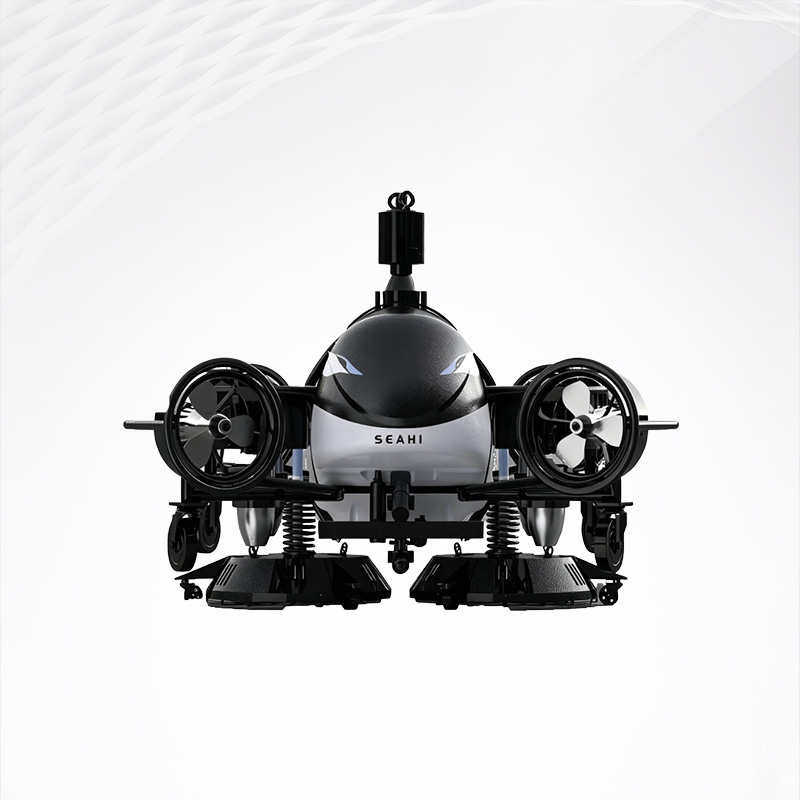
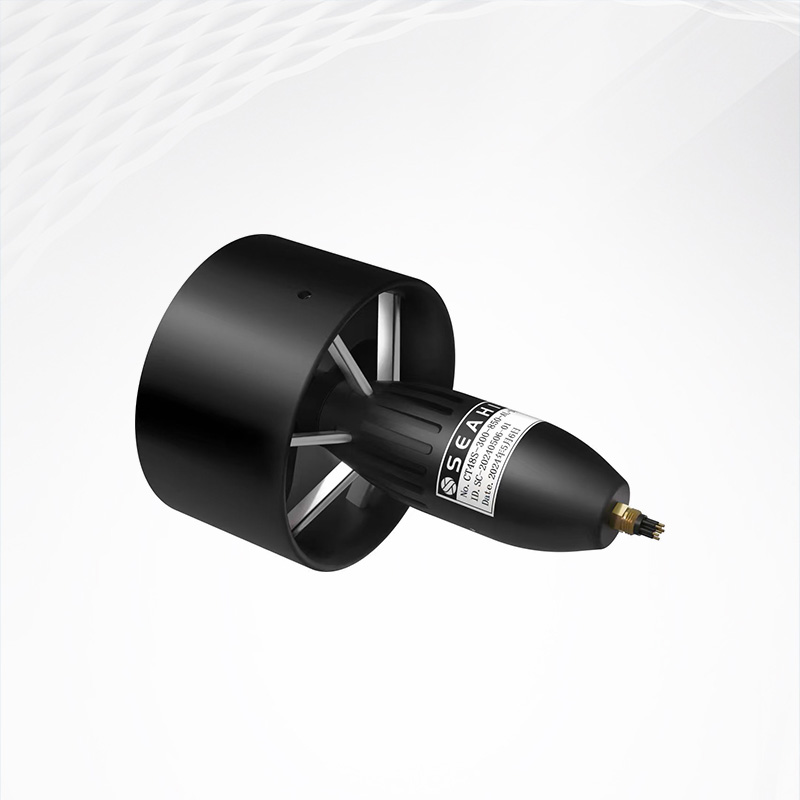
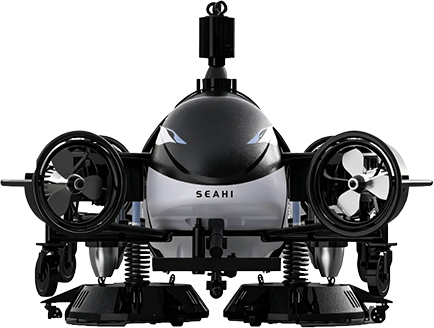
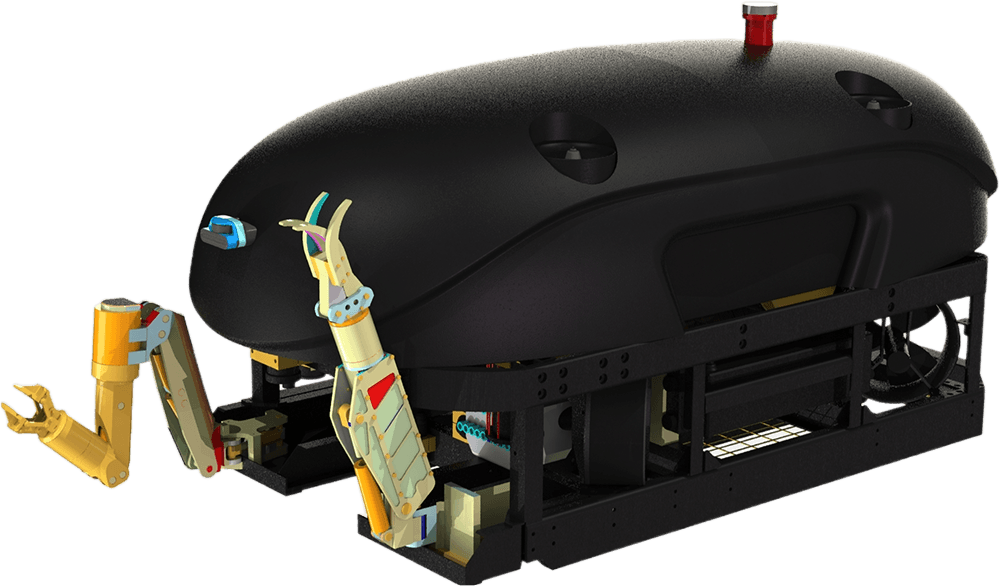
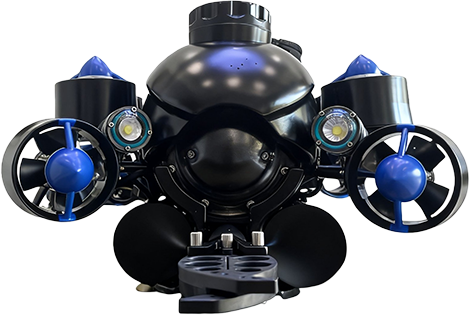
Faced with complex and harsh marine operational challenges, Seahi's "Orca" marine embodied robot did not stop at single-point technology breakthroughs. Instead, it deeply integrates AI algorithms, robotics, materials science, and intelligent mechatronics. From foundational hardware to six core systems—propulsion, control, sensing, navigation, waterproof sealing, and dynamic deployment—Seahi achieved full-stack in-house development, solving world-class technical bottlenecks that have plagued the industry for years through systemic innovation.
Anti-Current Control & Multi-Sensor Navigation: Seahi's self-developed high-robustness anti-current attitude control and multi-sensor fusion navigation positioning technology utilize non-linear 6-DOF vector control and dynamic compensation algorithms. This enables the robot to achieve stable hovering and precision movement in strong currents exceeding 3 knots, offering over 3x the anti-current capability of traditional solutions.
Turbid Water Imaging System: To solve imaging challenges in turbid waters, the multi-sensor fusion imaging system integrates visual enhancement and acoustic-optical fusion algorithms, building a full-stack image enhancement pipeline from physical models to data-driven processing. This significantly improves image clarity and color reproduction, meeting visual operation requirements in turbid waters. Even in severe optical degradation scenarios with high turbidity and low illumination, the system continuously outputs reliable target data.
Efficient, Non-Destructive Cleaning: For flexible, non-destructive operations, the complex surface self-adaptive wall-adhesion and cavitation cleaning technology utilizes Bernoulli's principle to strip biofouling via high-pressure pulses generated by collapsing cavitation bubbles. Reaching a maximum cleaning efficiency of 3,000 m²/h, it thoroughly removes marine biofouling while preserving hull paint, achieving harmony between high efficiency and operational safety.
Full-stack in-house R&D across control systems, waterproof sealing, and dynamic deployment ensures the "Orca" robot's broad environmental adaptability from shallow waters to full-ocean depths. Core components are engineered to deep-sea reliability standards, guaranteeing continuous and stable operation under high pressure, high salinity, and long-period missions—providing a reliable foundation for building marine super productivity.
Marine Super Productivity
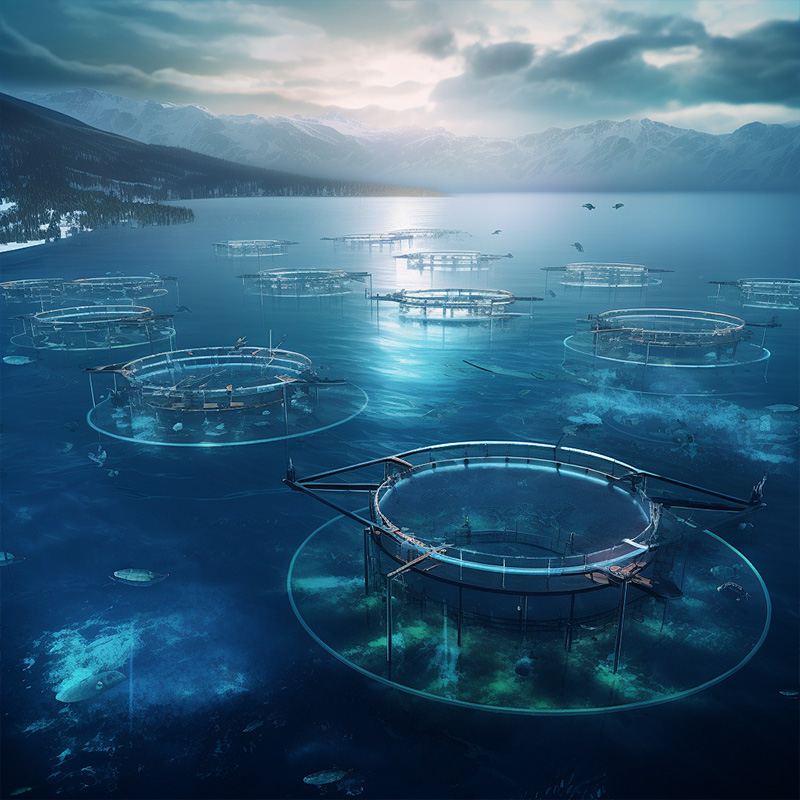
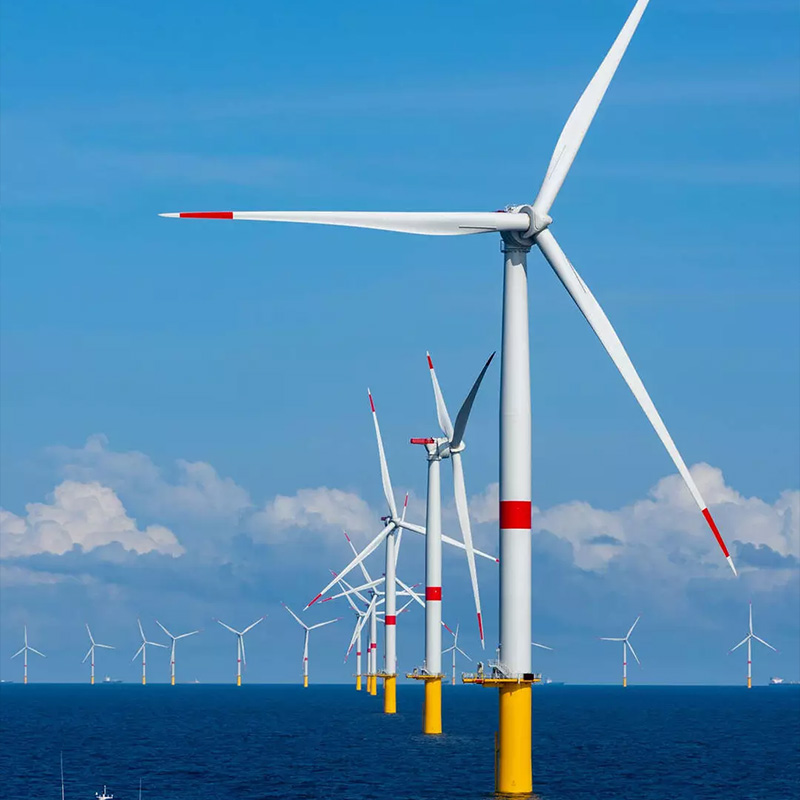
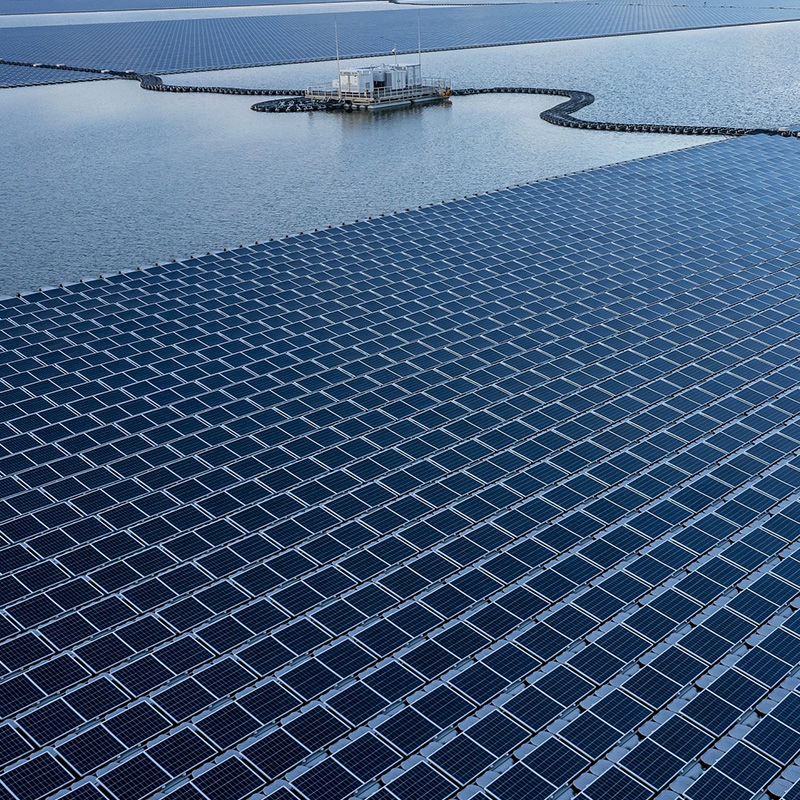
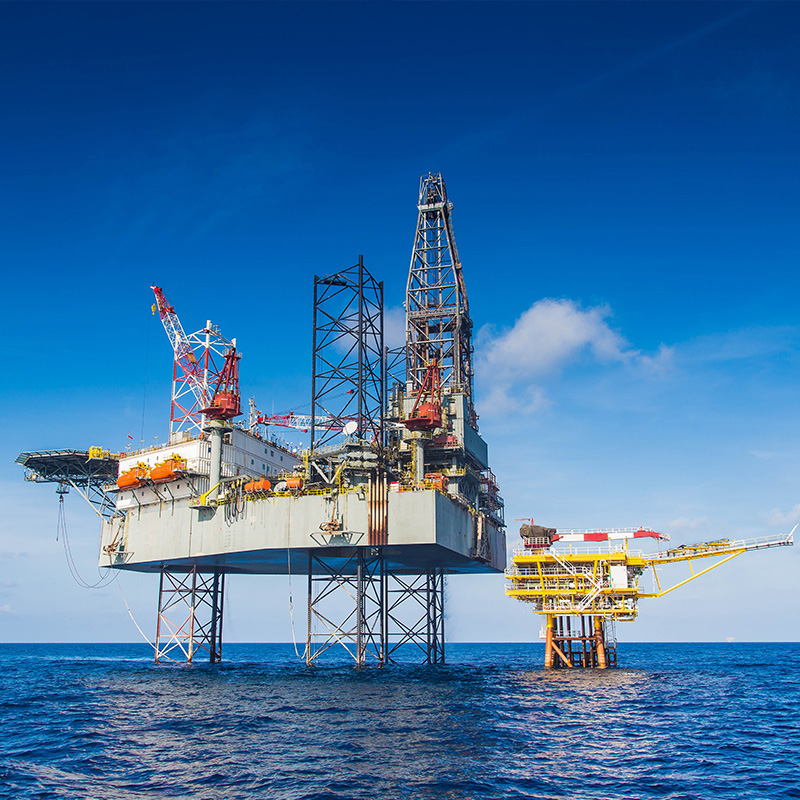
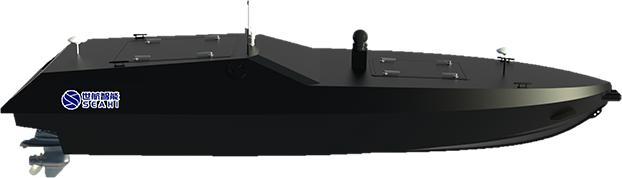
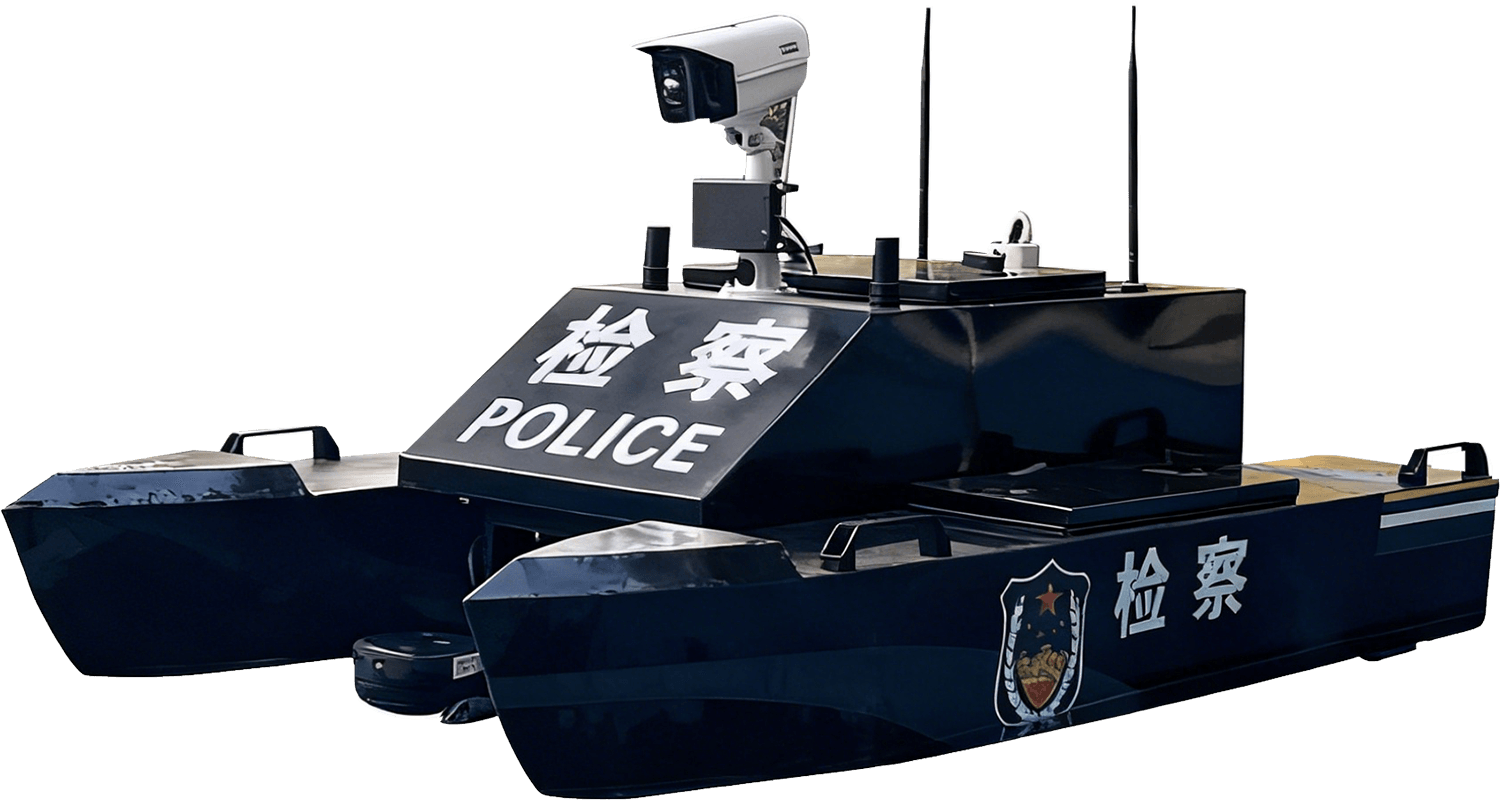
Unlike conventional approaches that view robotics merely as individual "ocean engineering equipment," Seahi regards marine robotics as productivity itself. Leveraging a full-stack, self-developed "Platform + Module" generalized architecture alongside multi-dimensional technological innovations, Seahi marine embodied robots can be equipped with diverse functional modules—including cleaning, inspection, and manipulation. This enables rapid adaptation across multi-dimensional application scenarios, such as vessel hull cleaning, offshore wind power, marine photovoltaics, and resource exploration.
This technological roadmap disrupts the traditional industry model of "one scenario, one robot," laying a solid foundation for achieving highly efficient and cost-effective large-scale marine operations and maintenance. Winning this prestigious industry award serves as authoritative recognition of Seahi's technological strategy—rooted in a generalized platform and powered by full-stack in-house R&D.