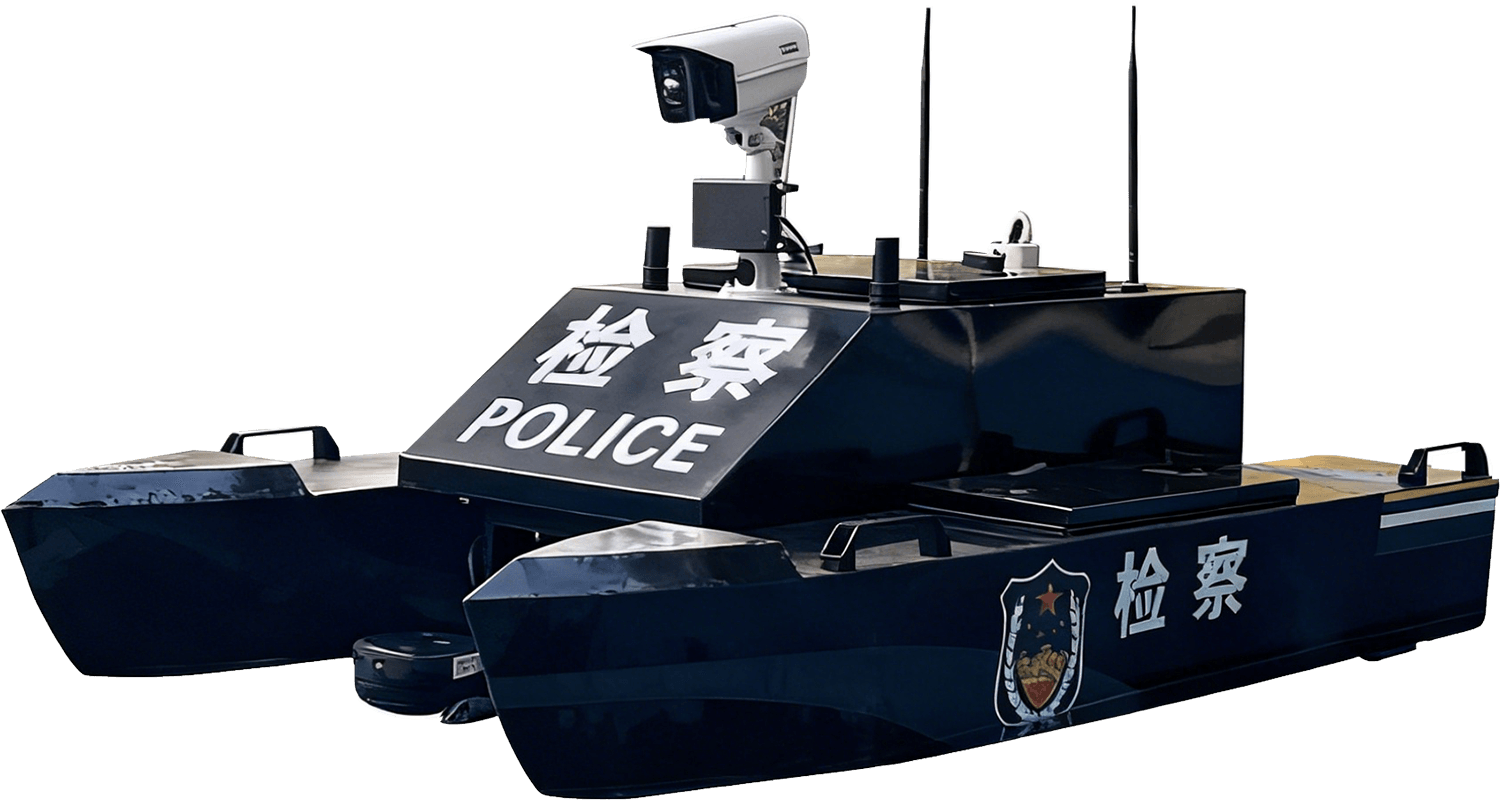
Smart Augmented Reality: Exploring the Innovations and Challenges of Embodied Intelligence in Practical Scenarios.

In this new era of rapid AI advancement, following the explosive popularity of large AI models and intelligent driving, the next emerging frontier is undoubtedly embodied intelligence.
“Embodied intelligence represents an evolution—a shift from ‘machine’ to something more ‘human-like’.”
“Robotics develops incrementally, ultimately achieving collective capabilities.”
“During the information revolution, information was the protagonist and AI the supporting role; now, AGI's development reverses these roles.”
" Construction robots will significantly enhance adaptability, accommodating more non-standardized scenarios.“ ”Model adaptability remains poor, limiting recognition capabilities in complex industrial settings.“ ”We cannot rely solely on traditional non-contact sensors; we must interact with the physical urban environment..."
On December 19-20, 2024, the 16th Startup邦100 Future Unicorn Conference convened in Chengdu. At the event, Ying Yufei, Vice President of Zhongguancun Zhiyou Research Institute; Cha Risu, Chairman and CEO of Lingxing Guangtong; Chen Xiaobo, Founder and CEO of Seahi Robotics; Cheng Hao, Founder and CEO of Accelerate Evolution; Li Zike, Founder and CEO of Fountain Robotics; Xu Qi, CEO of Shenshi Innovation; and Yang Xi, Co-founder and CEO of Kusa Technology, engaged in a dialogue titled “Embodied Intelligence: Unlocking AGI's Gateway to Physical World Interaction.”
Their insights revealed the promising future of embodied intelligence and showcased its diverse application scenarios. They also foresaw how AGI will propel the leapfrog development of embodied intelligence technology, presenting revolutionary opportunities for transformation across all industries.
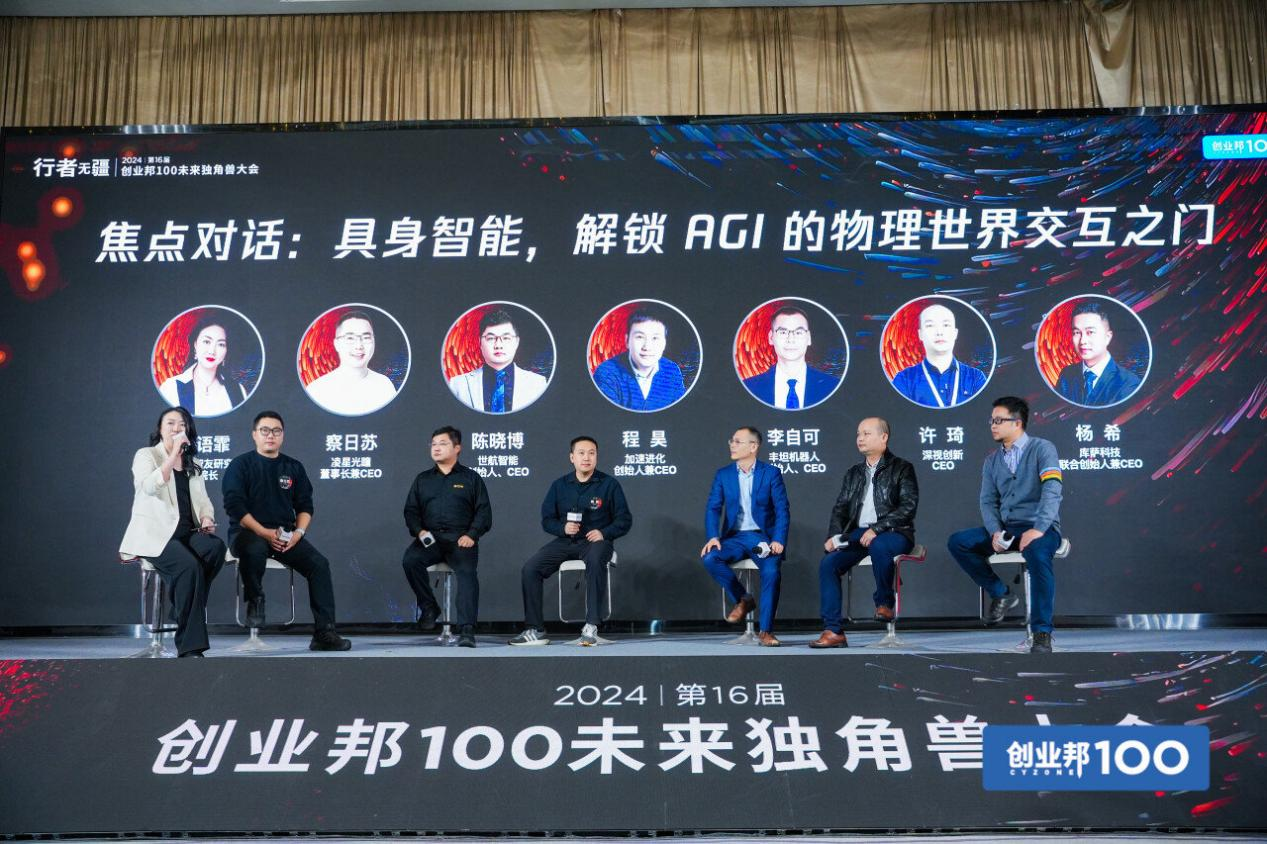
The following is the content of the Focus Dialogue, organized and released by CYZone.
Fei Yingyu: Please share your views on the role, differences, and future predictions of General Artificial Intelligence in the development of Embodied Intelligence, Mr. Chen.
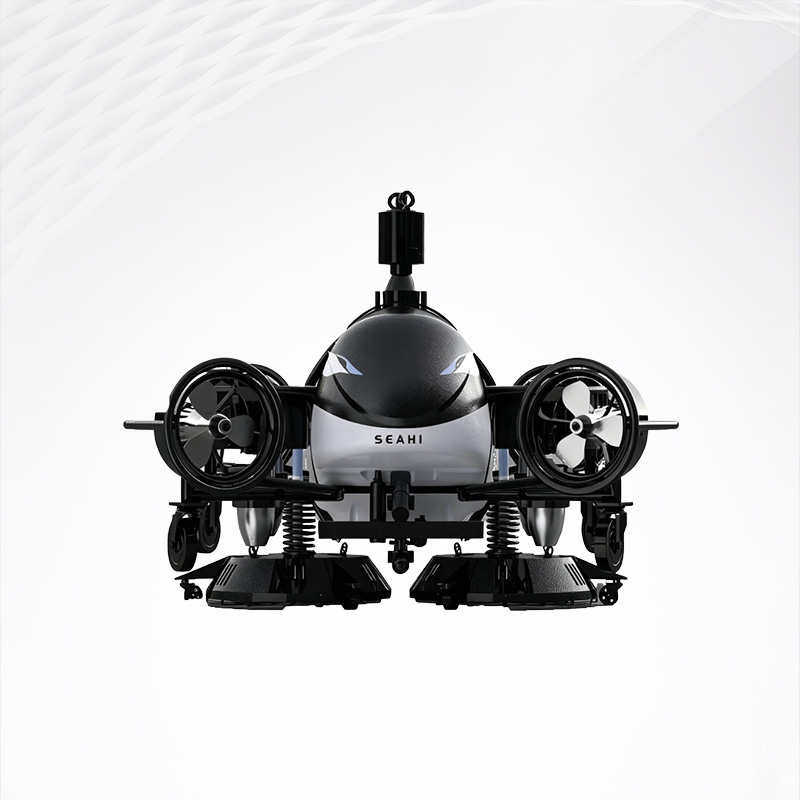
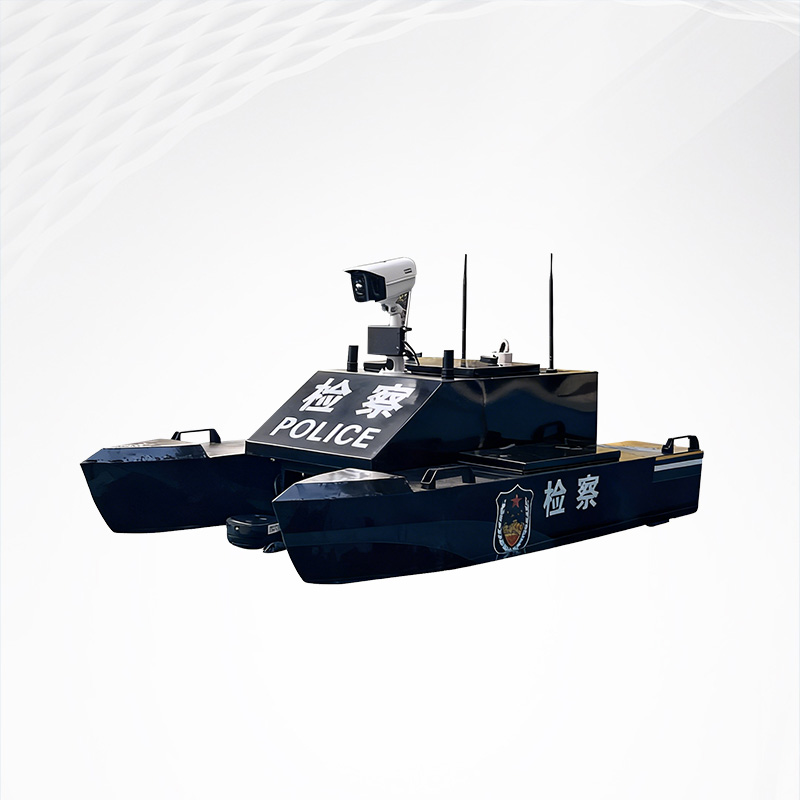
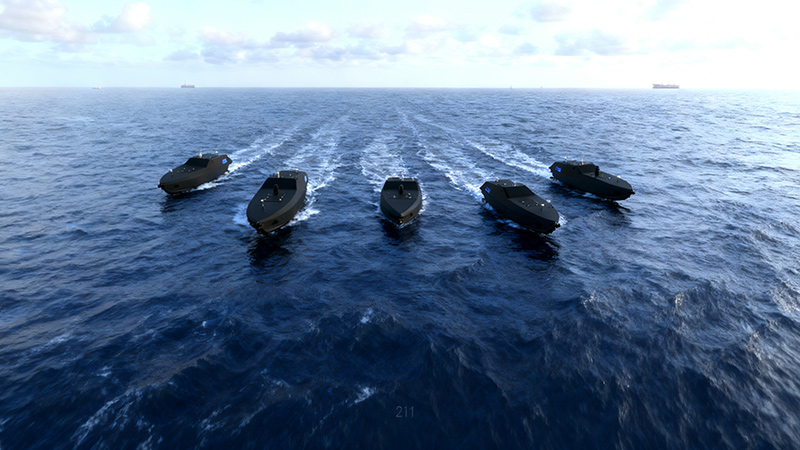
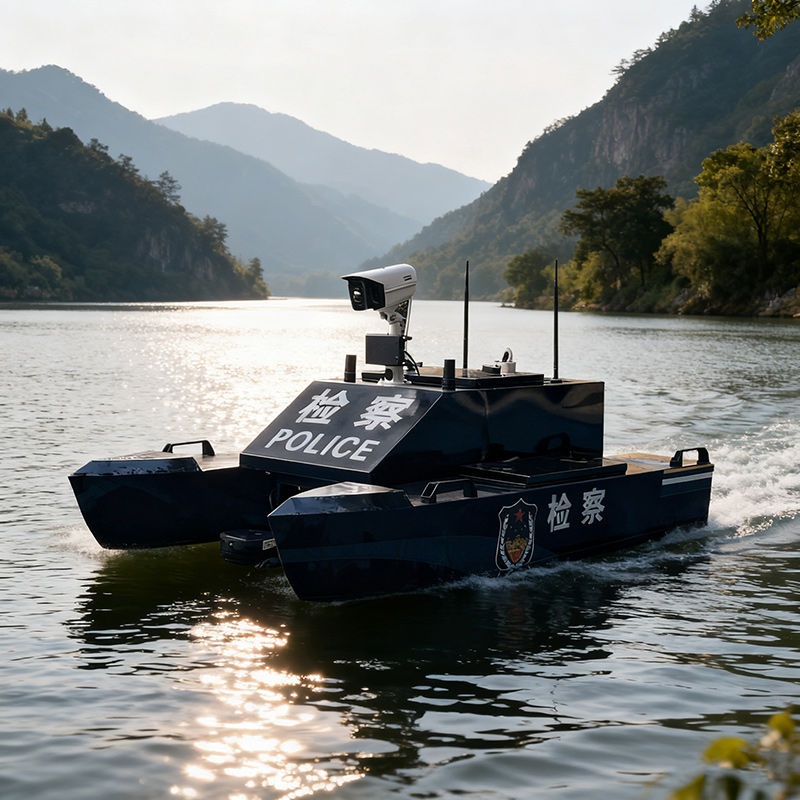
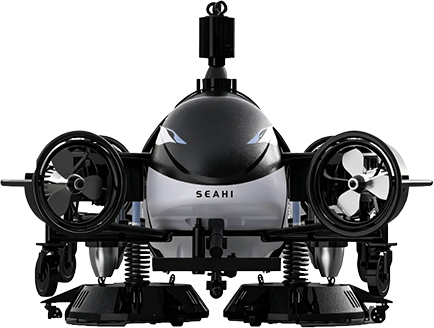
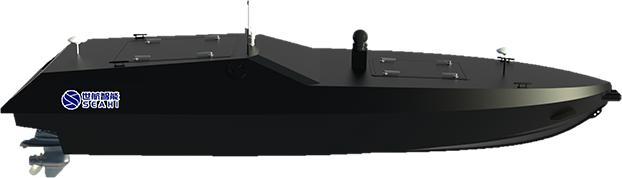
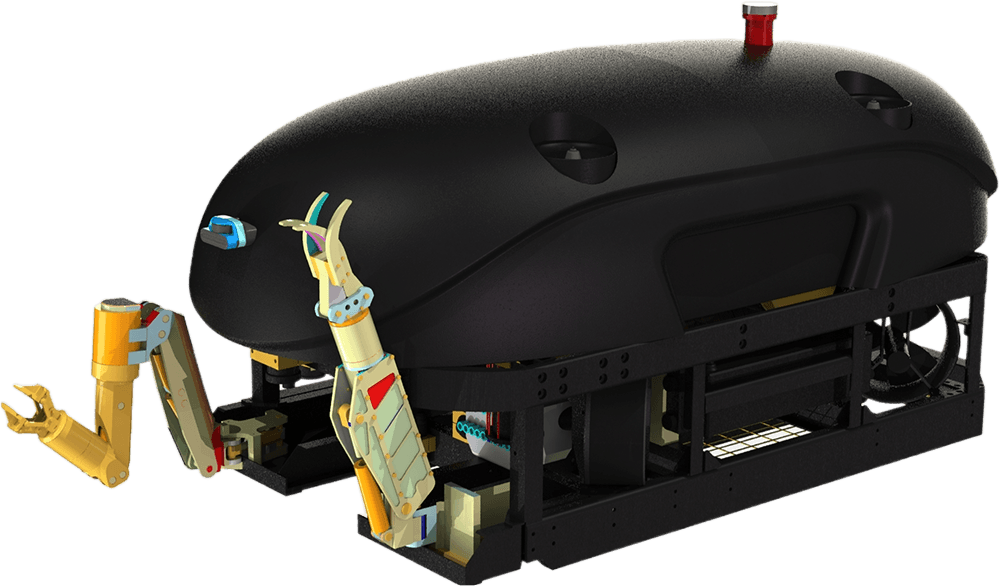
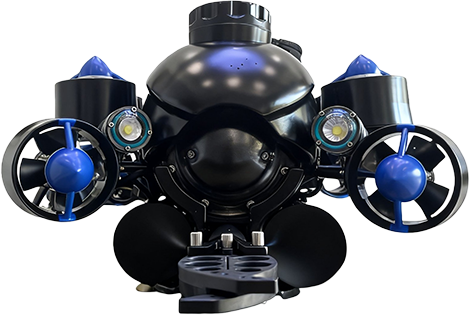
Chen Xiaobo: I am from Seahi, focusing on the research and development of water robots. The underwater world is closely related to our lives, involving shipping, food, and energy. Our team has developed the world's first underwater engineering operation robot and won many honors. I have 7 years of industry experience, and my major has shifted from electronic information to robotics, especially intelligent navigation and control. I have studied the collaborative work of intelligent agents and furthered my studies in intelligent agent technology. I believe that robot technology develops gradually, and will eventually realize the capability of clustering.
After graduating with a doctorate, I further researched Artificial General Intelligence (AGI) and found that it has a wide range of applications in the marine field, but the development efficiency of traditional methods is low. The development of AGI enables us to develop a multi-functional water-bodied embodied robot that meets a variety of underwater operation needs and improves industrialization efficiency. AGI is crucial to the industrialization of marine robots, and Seahi is the first team in the industry to apply AGI to the development of water robots.
Fei Yingyu: Mr. Chen, I am very interested in the underwater robot project. Given the complexity of the underwater environment, developing such robots is full of challenges. How do we develop products for specific application scenarios? What methods have been adopted in demand mining? And how to deal with these challenges?
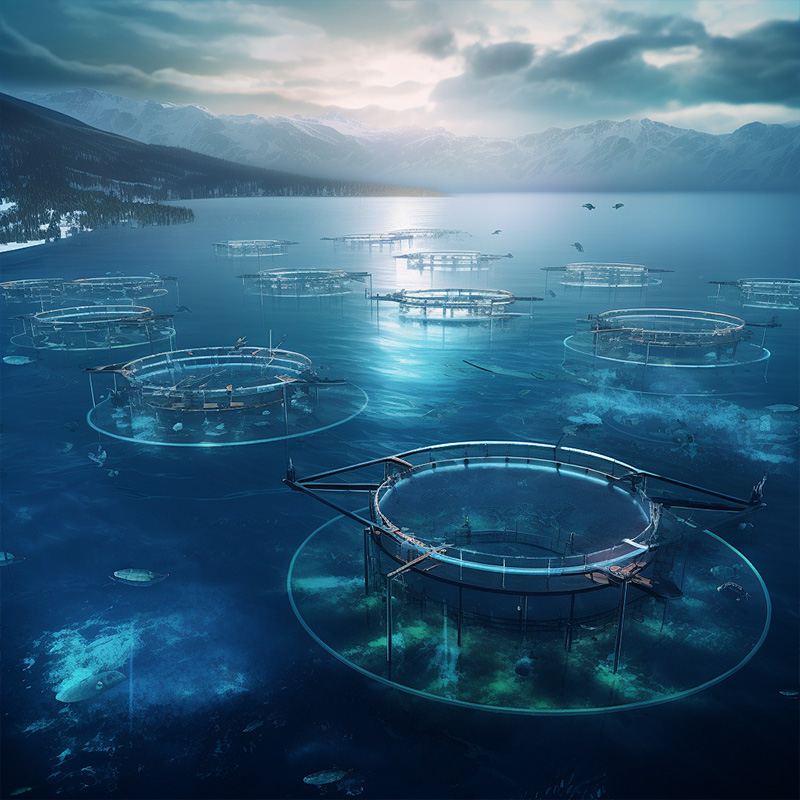
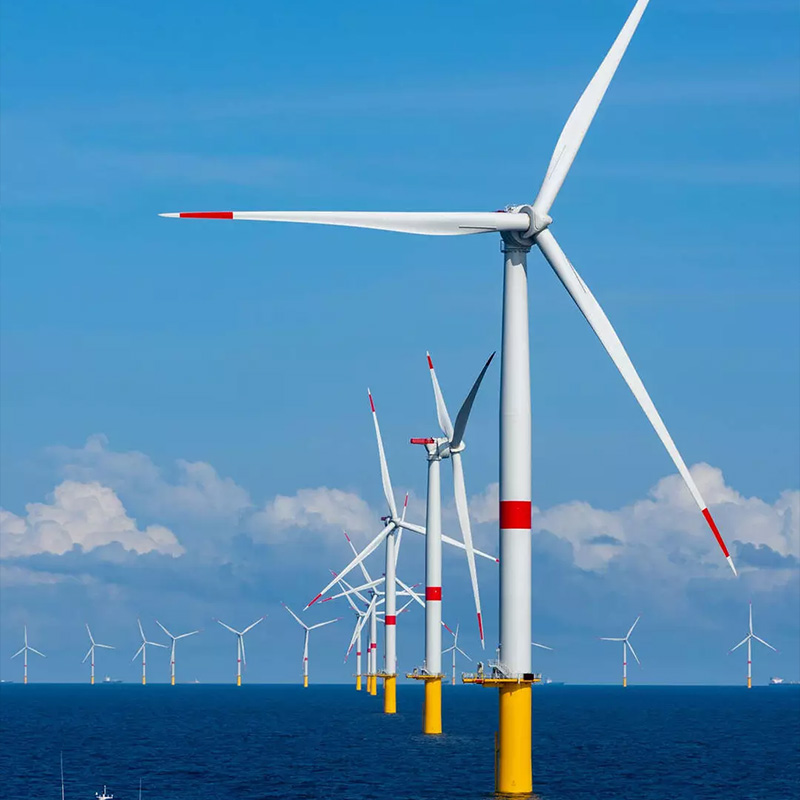
Chen Xiaobo: I believe that the development of underwater and water robots is based on judgments about the future. In my opinion, the foundation of society and economy lies in value exchange, and economic prosperity depends on the speed of exchange, all of which are based on productivity. When choosing my major, I considered that most of our current productivity comes from land, and the sky is also involved, but the development degree of the ocean is less than 1%. The future society will be a society based on highly developed AI and super productivity. In order to achieve super productivity, we have chosen the ocean and water bodies as the main application scenarios, which is a cross-cycle field.
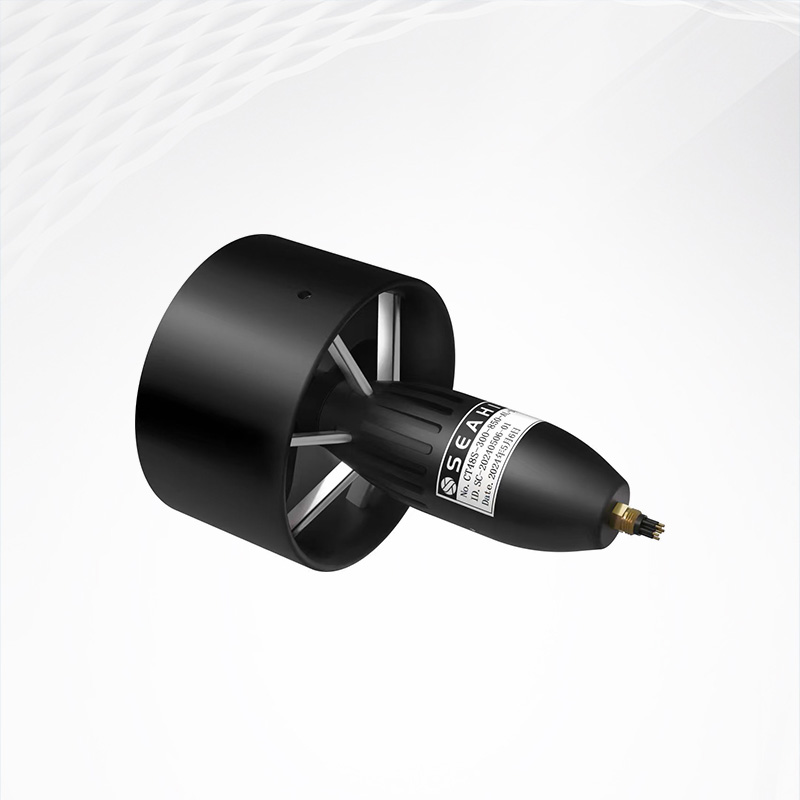
At our university, we've been researching marine robotics for years. This field offers numerous application opportunities but also presents significant technical challenges. Over a decade ago, we even had to manually polish every component of the propulsion system. Today, we've extended the propulsion system's lifespan from hundreds of hours to tens of thousands of hours, establishing comprehensive in-house R&D capabilities across the entire industrial chain—this has been our focus for over a decade.
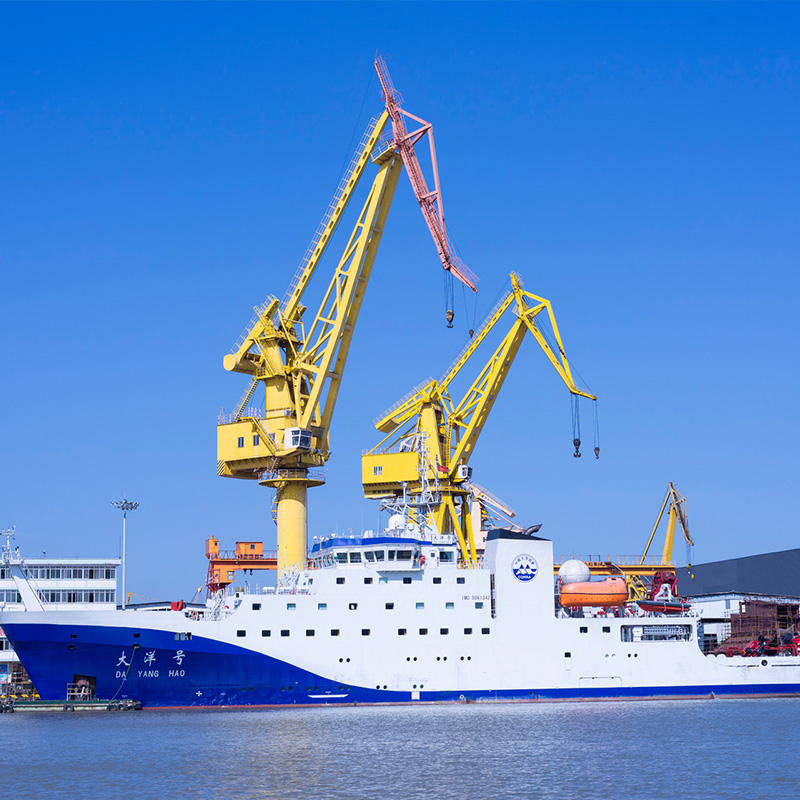
Regarding application scenarios, we initially focused on numerous national-level and defense projects. Personally, I received the First Prize for Defense Science and Technology Progress. Through this work, I observed that application scenarios are often limited in number and subject to extremely demanding and narrow conditions. To achieve true industrialization, we must identify scenarios with strong, essential demand and high repurchase rates. We discovered that defense sectors, such as aircraft carriers, require robots to clean underwater barnacles and oysters. Hundreds of thousands of commercial vessels globally also need cleaning—a market with strong demand and high repurchase rates. Diver work is extremely hazardous and faces severe labor shortages, making this scenario ideal for our robotic industrialization goals.
We ultimately selected the shipping industry for rapid robotic cleaning. Our first-generation demo product emerged a decade ago, while our initial commercial product launched in 2020. Throughout this journey, we faced numerous challenges, including fragmented components and an underdeveloped supply chain. Through long-term, in-depth collaboration with all domestic maritime universities, research institutes, and our own team, we have now established comprehensive supply chain capabilities and laid the groundwork for industrialization.
Our propulsion system delivers 10,000 hours of low-cost, all-electric operation. As previously mentioned, for underwater propulsion units, this system is as critical as the key motors in humanoid robots. We've achieved significant breakthroughs in this domain through industrialized R&D collaborations with universities and strategic partnerships. Having dedicated over a decade to this sector, we're jointly advancing maritime operations with shipping companies, the Ministry of Transport, shipping conglomerates, and our shareholder China Merchants Group.
Fei Yingyu: Finally, I would like to ask Mr. Chen to use one sentence to express your vision and expectation for the future development of the embodied intelligence industry.
Chen Xiaobo: I look forward to the combination of Artificial Intelligence (AGI) and embodied intelligence to build a world of super productivity, and this era is gradually coming. In the future, we may communicate more through thoughts and enjoy the leisure time of drinking tea and chatting. The satisfaction of material production and spiritual needs will be mainly realized by artificial intelligence. Specifically, the production of material products will be completed by AI combined with embodied intelligent robots, while the creation of spiritual civilization will be promoted by AI and AGI themselves. This will be a highly developed era, and I am full of longing for the future.